

Why is my natural gas generator consuming more fuel than expected in cold weather
2026-05-06
If you own a Natural Gas Generator, you likely rely on it for dependable backup power. However, many users notice a sharp increase in fuel consumption when temperatures drop. This is not a random defect. The core reason lies in the physical properties of gas and engine mechanics. In this post, Kecheng explains why this happens and how to manage it efficiently.
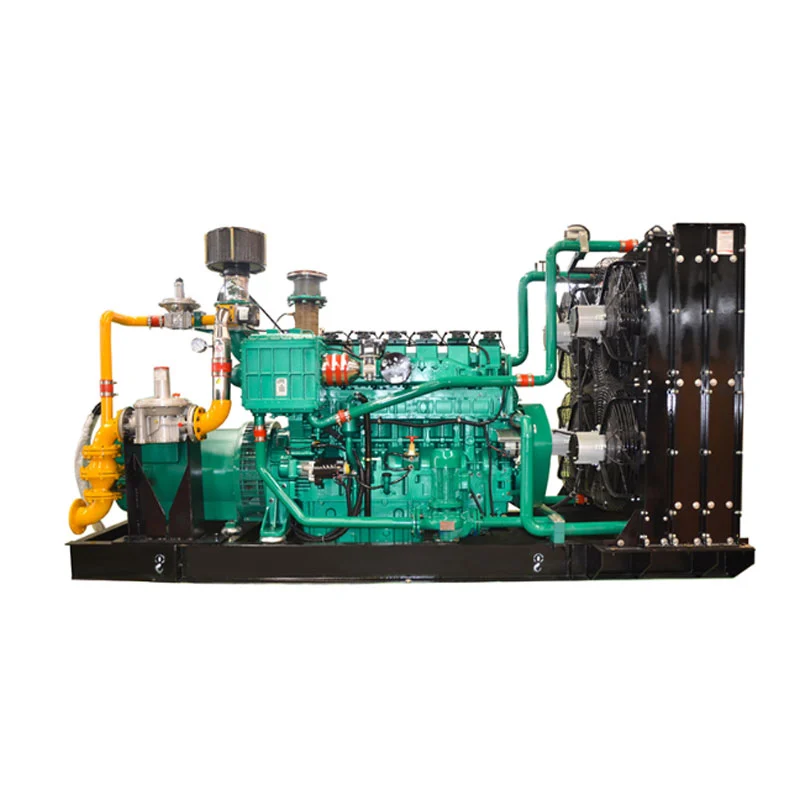
The Science Behind Higher Fuel Use in Cold Weather
Cold air is denser than warm air. Your Natural Gas Generator needs more fuel to maintain the correct air-fuel ratio when oxygen levels rise in dense air. Additionally, engine oil thickens in low temperatures, creating more internal resistance. The generator then burns extra gas just to overcome this friction. Below is a breakdown of the main factors.
| Factor | Effect on Fuel Consumption |
|---|---|
| Denser intake air | Requires proportional fuel increase to maintain combustion efficiency |
| Thickened engine oil | Increases mechanical drag, reducing overall efficiency |
| Longer warm-up cycles | The engine runs richer (more fuel) until operating temperature is reached |
| Fuel line condensation | Gas impurities may freeze, causing irregular flow and compensatory overuse |
How Kecheng Helps Optimize Cold Weather Performance
To prevent excess fuel burn, Kecheng designs its units with heated carburetors and low-temperature oil systems. Regular maintenance is still critical. Check your air filters, use winter-grade oil, and ensure the fuel line is insulated. Ignoring these steps can raise your monthly fuel bill by 20-30% during a cold wave.
Frequently Asked Questions about Natural Gas Generator Fuel Use
What is the normal fuel consumption increase for a Natural Gas Generator in freezing temperatures?
A well-maintained Natural Gas Generator typically consumes 10-18% more fuel at 20°F (-7°C) compared to 60°F (15°C). If your unit shows over 25% increase, inspect for clogged air filters, incorrect oil viscosity, or a malfunctioning automatic choke. Kecheng models include a digital fuel monitor to track this variance precisely.
Can a block heater reduce extra fuel usage on a Natural Gas Generator during winter?
Yes. A block heater warms the engine oil and coolant before startup. This cuts the high-friction warm-up period from 15 minutes to under 3 minutes. For a Natural Gas Generator running multiple cycles per day, a block heater can lower seasonal fuel consumption by up to 12%. Kecheng offers integrated block heaters as an optional add-on for cold climate users.
Why does my Natural Gas Generator sometimes surge or sputter in cold weather before stabilizing?
Cold fuel can vaporize poorly, leading to intermittent delivery. The engine’s control system compensates by sending extra gas, causing surging. This is common when moisture in the fuel line freezes. To solve this, install a low-point drain and use a gas dryer additive. Kecheng service kits include freeze-resistant fuel line components designed specifically for subzero operation.
Practical Steps to Reduce Cold Weather Fuel Waste
-
Switch to synthetic 5W-30 oil (or as specified by Kecheng manual)
-
Install a windproof enclosure without blocking ventilation
-
Run the generator under at least 40% load to prevent wet stacking
-
Schedule a pre-winter tune-up with certified technicians
Contact Us for Professional Support
If your Natural Gas Generator continues to burn excessive fuel despite following these steps, the Kecheng team is ready to help. Contact us today for a free cold-weather efficiency audit and receive tailored recommendations for your setup and local climate conditions.