

Article Summary
Choosing the right water softener salt is essential for maintaining efficient water softening, protecting household appliances, and reducing the effects of hard water. However, homeowners, facility managers, and commercial buyers often struggle to understand the differences between salt pellets, crystals, block salt, and alternative formulations. The best choice depends on the softener manufacturer's requirements, water hardness, system design, salt purity, maintenance preferences, and operating costs. This guide explains how water softener salt works, which factors matter most when selecting a product, how to avoid common maintenance problems, and how to manage salt consumption for reliable long-term performance.
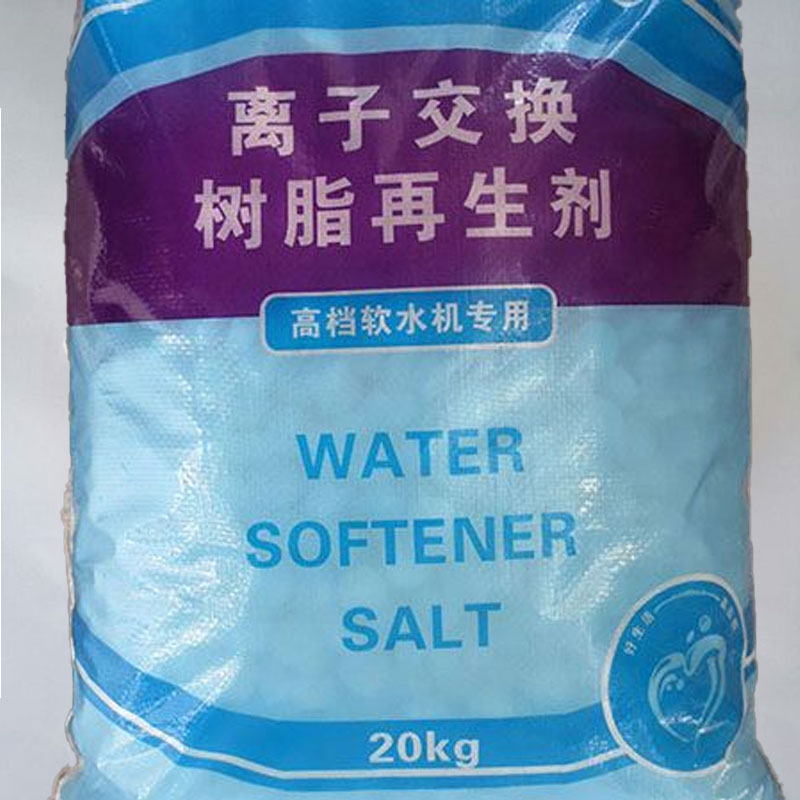
Understanding Water Softener Salt and Its Role in Water Quality
Hard water is a common challenge in residential, commercial, and industrial environments. It contains elevated concentrations of dissolved minerals, particularly calcium and magnesium. Although these minerals are not generally considered harmful at normal drinking-water concentrations, they can create practical problems throughout a plumbing system.
Mineral deposits can accumulate inside water heaters, pipes, showerheads, washing machines, dishwashers, and other water-using equipment. These deposits may reduce heating efficiency, interfere with water flow, increase cleaning requirements, and shorten the service life of some components.
A conventional ion-exchange water softener reduces water hardness by exchanging calcium and magnesium ions for sodium ions, or potassium ions when a compatible potassium-based regenerant is used. Water softener salt supplies the sodium chloride needed to regenerate the resin so it can continue removing hardness minerals.
Important distinction: Water softener salt is not the same as table salt, rock salt for roads, or general-purpose industrial salt. A suitable softener salt should meet the equipment's requirements and be appropriate for the intended application. Products intended for deicing or other industrial uses should not be substituted without confirming their suitability.
For buyers, the goal is not simply to purchase the cheapest bag of salt. The more useful objective is to choose a product that supports reliable regeneration, limits unnecessary residue, fits the softener design, and provides good overall operating value.
How Does Water Softener Salt Support the Ion-Exchange Process?
To understand salt selection, it helps to understand what happens inside the softener. During normal operation, hard water passes through a resin bed containing ion-exchange resin beads. These beads retain calcium and magnesium ions while releasing sodium ions into the treated water.
Over time, the resin's capacity to remove hardness minerals decreases. The softener then enters a regeneration cycle, during which a concentrated brine solution flows through the resin bed. The sodium in the brine displaces accumulated calcium and magnesium, restoring the resin's ability to soften water.
The Main Stages of Water Softening
- Water treatment: Incoming hard water passes through the resin bed, where hardness ions are exchanged.
- Capacity depletion: The resin gradually accumulates hardness minerals and approaches its operating capacity.
- Brine preparation: Water dissolves softener salt in the brine tank to create a concentrated salt solution.
- Regeneration: The brine restores the resin's sodium form, allowing the resin to remove hardness again.
- Rinsing and return to service: The system flushes residual brine and prepares for the next treatment cycle according to its design.
The quality and physical characteristics of the salt can influence how reliably brine is prepared. Poorly matched salt, excessive insoluble material, or unsuitable product dimensions may contribute to maintenance issues in some systems.
Nevertheless, salt quality alone cannot compensate for an incorrectly sized softener, inadequate regeneration settings, a damaged resin bed, or a faulty control valve. Reliable performance requires the right combination of equipment, water analysis, salt, and maintenance.
Which Types of Water Softener Salt Are Available?
Water softener salt is sold in several physical forms. Each type has different handling characteristics, and compatibility depends on the design of the brine tank and softener. Before changing products, check the equipment manufacturer's recommendations.
Salt Pellets
Pellets are compressed salt products commonly used in many residential and commercial softeners. Their relatively uniform shape makes them convenient to handle and can support consistent brine preparation when the product is properly manufactured and compatible with the equipment.
Best consideration: Confirm pellet dimensions, product specifications, and suitability for the brine tank.
Salt Crystals
Crystal salt consists of larger or irregular salt particles, depending on the manufacturing and processing method. It may be suitable for certain softener systems, but dissolution and handling behavior depend on the product and operating conditions.
Best consideration: Check whether the equipment permits crystal salt and whether the product contains excessive insoluble material.
Evaporated Salt
Evaporated salt is produced by concentrating brine and recovering salt through evaporation. Products intended for water softeners may offer high sodium chloride content and controlled quality specifications.
Best consideration: Review the actual purity specification and quality documentation instead of relying on the production method alone.
Block Salt
Block salt is designed for compatible softeners that use specially shaped salt blocks. It is not a universal replacement for loose pellets or crystals.
Best consideration: Use the specific shape and product type required by the equipment manufacturer.
| Salt Type | Typical Characteristics | Important Consideration |
|---|---|---|
| Pellets | Compressed, relatively uniform pieces | Check compatibility and resistance to crumbling |
| Crystals | Granular or crystalline particles | Confirm that the system is designed for crystal salt |
| Evaporated salt products | Manufactured through brine concentration and evaporation | Compare purity, insoluble content, and specifications |
| Block salt | Solid blocks in a designated shape | Use only with compatible block-salt systems |
There is no single salt form that is automatically best for every water softener. Compatibility, documented quality, product consistency, local availability, and total maintenance requirements should guide the decision.
Which Factors Matter Most When Choosing Water Softener Salt?
A good purchasing decision starts with the system rather than the product label. Consider the following factors before selecting a supplier or changing the salt currently in use.
1. Sodium Chloride Purity
Purity is an important indicator of product composition. A higher sodium chloride content generally means less of the product consists of other substances, but purity should not be the only selection criterion. Physical form, insoluble material, manufacturing consistency, and equipment compatibility also matter.
Ask suppliers for a product specification sheet and, where appropriate, a certificate of analysis. Confirm how the reported purity is measured and whether the information applies to the actual product being supplied.
2. Insoluble Material
Insoluble material does not dissolve into the brine in the same way as sodium chloride. Excessive residue may accumulate in the brine tank and increase cleaning requirements. Product specifications should clearly identify relevant quality parameters, including insoluble content where applicable.
3. Physical Consistency
Pellets that crumble excessively or products with inconsistent particle sizes may create more handling difficulties. The appropriate form depends on the system, but consistent manufacturing helps buyers plan storage, replenishment, and routine maintenance.
4. Water Hardness and Daily Demand
Water hardness affects how quickly the resin reaches its treatment capacity. A property with very hard incoming water or high daily consumption may require more frequent regeneration than a small household with moderate hardness.
Water testing is therefore a better starting point than guessing how much salt a system will use.
5. Equipment Compatibility
Always confirm that the salt form is approved for the specific softener. Some systems are designed for particular block dimensions, while others accommodate loose pellets or crystals. Using an incompatible product can cause feeding or brine-preparation problems.
6. Packaging and Storage
Moisture exposure can make salt difficult to handle and may contribute to clumping. Packaging should protect the product during transport and storage. Buyers should also consider bag size, pallet configuration, delivery frequency, and the available storage area.
7. Supplier Reliability
For ongoing use, consistent specifications and dependable delivery are often more valuable than a small difference in the initial purchase price. Evaluate a supplier's documentation, product traceability, packaging options, communication, and ability to meet agreed delivery schedules.
Practical buying principle: Compare products using documented specifications, compatibility, delivered cost, and expected maintenance needs. Avoid selecting salt solely because of an attractive label or a low unit price.
What Are the Signs That Your Water Softener Needs Attention?
When a softener is not operating as expected, users sometimes assume that the salt itself is defective. Salt-related issues are possible, but several other causes can produce similar symptoms.
- Scale returns on fixtures: Hardness may be passing through the system because of depleted resin capacity, inadequate regeneration, a control problem, or another equipment issue.
- Soap performance changes: Poor lathering or increased spotting can indicate changes in water quality, although these signs alone cannot confirm a softener fault.
- Salt consumption increases: Higher water demand, harder incoming water, leakage, regeneration settings, or equipment problems may increase salt usage.
- Salt remains unchanged for a long period: Low water use may explain this, but a bridging problem or malfunctioning brine system should also be considered.
- Visible residue accumulates in the brine tank: Excessive residue may indicate a need for cleaning or a review of salt quality and operating conditions.
Do not diagnose performance by appearance alone. Test treated-water hardness and compare it with the equipment's normal results. If performance remains poor, inspect the regeneration cycle, brine draw, control valve, resin condition, and incoming water quality.
How Can You Manage Water Softener Salt Consumption?
Salt is a recurring operating expense, particularly for commercial facilities, hotels, laundries, manufacturing operations, and buildings with high water demand. Managing consumption starts with understanding how much hardness enters the system and how efficiently the softener regenerates.
Measure Water Hardness
Obtain a reliable hardness measurement for the incoming water. Municipal supplies, wells, and blended water sources can have different hardness levels. Periodic testing can also reveal seasonal or supply-related changes.
Review Water Usage
Track daily or weekly consumption where practical. A softener serving a busy commercial facility will usually have a different regeneration demand from one serving a small household. Changes in occupancy or production may also affect salt consumption.
Check Regeneration Settings
Incorrect capacity settings, inefficient regeneration schedules, or unsuitable salt dosing can increase operating costs. Use the softener manufacturer's instructions and appropriate system calculations when adjusting settings. Avoid making changes that compromise treated-water quality.
Prevent Salt Bridging
A salt bridge is a hardened crust that forms above an empty space in the brine tank. The tank may look as though it contains enough salt even though the water cannot reach the salt below. This can prevent the system from preparing the brine needed for regeneration.
Bridging can be associated with humidity, temperature conditions, tank design, and salt characteristics. If bridging is suspected, follow the manufacturer's safe inspection and correction procedure rather than forcefully striking the tank or damaging its components.
Track Consumption Over Time
Maintain a simple record of salt purchases, refill dates, water usage, and hardness results. Unexpected changes in consumption can provide an early warning that the system needs inspection.
Reducing salt usage is not simply a matter of adding less salt. The goal is to avoid waste while maintaining the required water quality and ensuring that regeneration remains effective.
Water Softener Salt Maintenance Tips for Reliable Operation
A few consistent maintenance habits can help prevent interruptions and make product consumption more predictable.
Keep the Salt Supply Clean and Dry
Store unopened salt in its original packaging in a dry, protected area. Keep bags away from standing water and sources of contamination. Close partially used bags properly and avoid introducing dirty tools or foreign material into the brine tank.
Check the Tank Periodically
Inspect the salt level according to the equipment instructions. Avoid allowing the tank to run empty, but do not assume that filling it to the top is always necessary. Follow the recommended fill level and loading procedure for the specific model.
Look for Bridging and Residue
Check for unusual crusting, hardened salt, and excessive accumulated residue. Cleaning frequency should reflect the actual condition of the tank and the manufacturer's guidance rather than an arbitrary universal schedule.
Test the Treated Water
Periodically measure the hardness of the softened water. This confirms whether the system is delivering the expected result and helps distinguish a supply issue from a softener performance problem.
Maintain a Simple Service Record
Record inspections, refills, cleaning, water test results, equipment repairs, and product batches when relevant. These records help identify recurring issues and make it easier to evaluate different salt products or suppliers.
| Maintenance Task | What to Check | Purpose |
|---|---|---|
| Salt-level inspection | Available salt and correct loading level | Reduce the risk of interrupted regeneration |
| Tank inspection | Bridging, residue, unusual moisture | Identify brine-preparation problems |
| Water testing | Incoming and treated-water hardness | Verify softening performance |
| Consumption review | Salt use compared with water demand | Detect unusual operating changes |
| Storage inspection | Packaging condition and contamination | Protect product quality before use |
Common Water Softener Salt Problems and Practical Solutions
Understanding common problems can help users avoid unnecessary product replacement or service calls. The following table provides a starting point for troubleshooting, but the equipment manual should remain the primary reference.
| Problem | Possible Cause | Practical Next Step |
|---|---|---|
| Hard water returns | Low salt, depleted resin capacity, incorrect settings, or valve issues | Test hardness and verify the regeneration cycle |
| Salt forms a hard crust | Bridging, humidity, or storage conditions | Inspect and correct according to the manufacturer's instructions |
| Unusual residue in the tank | Insoluble material, contamination, or accumulated deposits | Review product specifications and clean as directed |
| Salt consumption rises sharply | Higher demand, harder water, leakage, or inefficient settings | Compare consumption records and inspect system operation |
| Softener fails to draw brine | Blocked brine line, injector issue, air leak, or control malfunction | Follow the service procedure and seek qualified assistance if needed |
Safety note: Before cleaning, dismantling, or servicing a softener, follow the manufacturer's instructions for isolation and depressurization where applicable. Do not add cleaning chemicals or other substances to the brine tank unless the equipment manufacturer explicitly permits them.
Water Softener Salt for Commercial and Industrial Applications
Commercial users often face challenges that go beyond the needs of an individual household. High water demand, strict maintenance schedules, limited storage space, and the cost of interrupted operations make product consistency and dependable supply especially important.
Hotels and Hospitality Facilities
Hotels may use softened water in laundry equipment, hot-water systems, kitchens, and other services. Reliable softening can help control mineral scale and support predictable cleaning and maintenance routines.
Laundries and Cleaning Operations
Water hardness can affect detergent performance and cleaning results. Proper softening can support more consistent process conditions, although detergent selection and operating procedures must still match the application.
Manufacturing and Process Water
Some manufacturing processes require water with controlled hardness to limit scale formation or protect downstream equipment. Buyers should define the actual water-quality requirements before selecting treatment capacity and consumables.
Building Management and Facilities
Large buildings may operate several softeners or centralized water-treatment systems. Planning replenishment, tracking salt consumption, and maintaining consistent supplier specifications can simplify purchasing and reduce the risk of stock shortages.
For commercial procurement, the lowest price per bag may not represent the lowest overall cost. Buyers should consider salt quality, delivered cost, packaging, storage requirements, handling effort, supplier reliability, and the consequences of equipment downtime.
A Practical Checklist for Purchasing Water Softener Salt
Before placing an order, use the following checklist to confirm that the product and supply arrangement meet your operational needs.
- Confirm the softener manufacturer's approved salt type.
- Identify whether the system requires pellets, crystals, or specially shaped blocks.
- Review the sodium chloride purity specification.
- Check the stated insoluble content and other relevant quality parameters.
- Request appropriate product documentation from the supplier.
- Compare packaging sizes and confirm that they suit available storage space.
- Assess whether the packaging provides sufficient protection against moisture and contamination.
- Calculate delivered cost rather than comparing unit prices alone.
- Review minimum order quantities, lead times, and replenishment arrangements.
- Maintain consistent purchasing specifications when comparing batches or suppliers.
These checks are particularly useful for distributors, wholesalers, and organizations purchasing salt regularly. Clear specifications reduce misunderstandings and make it easier to compare suppliers on a consistent basis.
For buyers evaluating potential supply partners, Kunyang provides a company information page where prospective customers can learn more about the business. Buyers should contact the company directly to confirm current product availability, specifications, packaging options, documentation, and suitability for their intended application.
Frequently Asked Questions About Water Softener Salt
The best choice is a product compatible with the softener and supported by suitable quality specifications. Pellets are common in many systems, but some equipment is designed for crystals or block salt. Always check the manufacturer's recommendations before choosing.
Higher sodium chloride purity can mean less of the product consists of other substances. However, physical consistency, insoluble content, equipment compatibility, product documentation, and total cost also matter. Evaluate the complete specification rather than purity alone.
Do not assume that table salt is an appropriate substitute. It may have different particle characteristics or additives, and it may not meet the equipment manufacturer's requirements. Use a product specifically suitable for the softener.
Refill frequency depends on water hardness, water consumption, softener capacity, regeneration settings, and tank size. Check the salt level according to the equipment instructions and track usage to establish a practical refill schedule.
Possible causes include higher water demand, increased incoming hardness, incorrect regeneration settings, system leakage, or a control problem. Review consumption records and test water hardness before making adjustments.
A salt bridge is a hardened layer that forms above a hollow space in the brine tank. It can prevent salt from contacting the water needed to prepare brine. Follow the manufacturer's instructions to inspect and correct the condition safely.
No. A conventional ion-exchange softener primarily reduces hardness minerals. It does not automatically remove all dissolved contaminants, microorganisms, or other unwanted substances. Additional treatment may be necessary depending on water testing and the intended use.
Suitability depends on the source water, treatment system, local requirements, and individual dietary considerations. Sodium-based softening adds sodium to the treated water. People who must restrict sodium intake should seek appropriate advice and consider whether a separate drinking-water supply or alternative treatment is suitable.
Keep it in a dry, clean, protected area, preferably in its original packaging. Protect bags from standing water, excess moisture, and contamination. Follow the supplier's storage recommendations for the specific product.
Ask about product specifications, sodium chloride purity, insoluble content, packaging, documentation, minimum order quantities, lead times, delivery arrangements, and product consistency. Confirm that the offered salt meets the requirements of the intended softener and application.
Choose Water Softener Salt With Confidence
Water softener salt is a small but essential part of an effective water-treatment system. The right product helps support reliable resin regeneration, while suitable equipment settings, routine inspections, and proper storage help maintain consistent performance over time.
Instead of focusing on price alone, evaluate the salt type, documented purity, insoluble content, physical consistency, equipment compatibility, packaging, and delivery reliability. Combine these factors with water-hardness testing and consumption records to make more informed purchasing and maintenance decisions.
Whether you are a distributor sourcing products for customers or a business managing a water-treatment system, clear product requirements can help reduce purchasing uncertainty and prevent avoidable operating problems.
Looking for a Water Softener Salt Supply Partner?
Choosing the right product starts with reliable specifications, consistent quality, and a clear understanding of your application. Visit Kunyang to learn more about the company, and contact the team to discuss your product requirements, packaging preferences, and supply needs.
Contact us today to discuss your water softener salt sourcing requirements and identify a suitable solution for your business.