

What Validation Requirements Apply to a Medical Aseptic Transfer Chamber
2026-10-09
A Medical Aseptic Transfer Chamber plays a critical role in maintaining sterility during the transfer of materials between different cleanroom classifications. Grandfort, a trusted name in contamination control solutions, designs and manufactures transfer chambers that meet the most stringent regulatory standards. Understanding the validation requirements for these systems is essential for pharmaceutical manufacturers, biotechnology companies, and sterile compounding facilities seeking to achieve regulatory compliance and operational excellence.
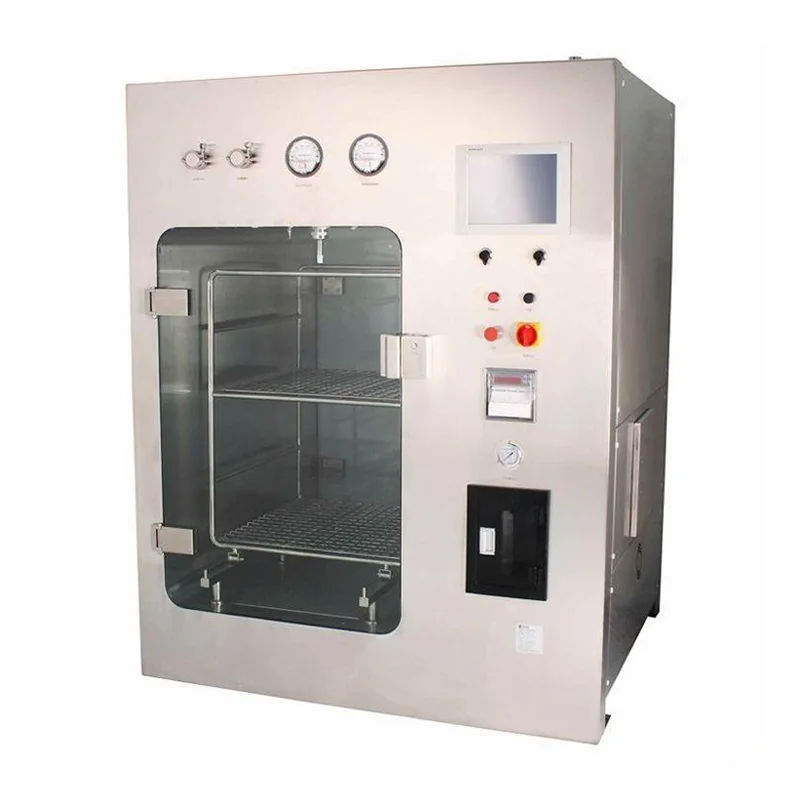
Why Validation Matters for a Medical Aseptic Transfer Chamber
Validation confirms that a Medical Aseptic Transfer Chamber consistently performs its intended function—preventing contamination during material transfer. Regulatory bodies including the FDA, EMA, and ISO expect documented evidence that the equipment operates reliably within defined parameters. Grandfort supports clients throughout the validation lifecycle, from installation qualification to ongoing performance monitoring.
Core Validation Requirements
The validation of a Medical Aseptic Transfer Chamber follows a structured approach. Below are the primary requirements:
-
Design Qualification (DQ): Documentation that the chamber design meets user requirements, regulatory standards, and intended operating conditions.
-
Installation Qualification (IQ): Verification that the Medical Aseptic Transfer Chamber is installed correctly according to Grandfort specifications and site requirements.
-
Operational Qualification (OQ): Testing that the chamber operates within specified parameters, including airflow velocity, pressure differentials, and cycle times.
-
Performance Qualification (PQ): Confirming consistent performance under actual production conditions, often through repeated transfer simulations.
-
Cleaning Validation: Evidence that cleaning procedures effectively remove residues and contaminants.
-
Sterilization Validation: For chambers using hydrogen peroxide, VHP, or other sterilants, proving the cycle achieves the required log reduction.
-
Environmental Monitoring: Routine testing for airborne particles, microbial counts, and surface contamination.
Key Validation Tests and Acceptance Criteria
| Validation Test | Purpose | Typical Acceptance Criteria |
|---|---|---|
| Airflow Velocity Test | Confirm unidirectional airflow | 0.36–0.54 m/s (ISO 5) |
| Pressure Differential Test | Verify positive pressure integrity | ≥ 0.5 in. w.g. |
| Particle Count Test | Assess airborne contamination | ≤ 3,520 particles/m³ ≥ 0.5 µm |
| Microbial Settle Plate | Detect viable contamination | ≤ 1 CFU per plate |
| H₂O₂ Concentration Test | Validate sterilization efficacy | 6-log reduction |
| Leak Rate Test | Ensure chamber seal integrity | Per manufacturer specification |
| Cycle Repeatability | Confirm consistent performance | 3 consecutive successful runs |
Grandfort provides comprehensive validation documentation packages that align with these requirements, helping clients streamline regulatory submissions.
The Role of Grandfort in Validation Support
Grandfort goes beyond equipment supply by offering:
-
Factory acceptance testing (FAT) and site acceptance testing (SAT)
-
IQ/OQ/PQ protocol templates and execution support
-
Calibration certificates for critical instruments
-
Training for operators and validation teams
-
Ongoing technical support and requalification guidance
Medical Aseptic Transfer Chamber FAQ
Q: How often should a Medical Aseptic Transfer Chamber be revalidated?
A: Revalidation is typically required annually, after significant modifications, following major maintenance, or when environmental monitoring trends indicate drift. A risk-based approach determines the frequency.
Q: What documentation is required for regulatory audits of a Medical Aseptic Transfer Chamber?
A: Auditors expect DQ, IQ, OQ, PQ reports, calibration records, maintenance logs, cleaning validation, sterilization cycle records, and deviation reports. Grandfort supplies these documents in audit-ready format.
Q: Can a Medical Aseptic Transfer Chamber be validated for use with hazardous materials?
A: Yes, provided the chamber is designed with appropriate containment features, and validation includes leak testing, pressure decay testing, and operator safety assessments. Grandfort offers customized configurations for hazardous applications.
Conclusion
Validating a Medical Aseptic Transfer Chamber is not merely a regulatory checkbox—it is a commitment to product safety and patient protection. By partnering with Grandfort, organizations gain access to industry-leading equipment, expert validation support, and documentation that withstands regulatory scrutiny. Contact us today to discuss your validation requirements and discover how Grandfort can support your contamination control strategy.