

What Materials Can Be Cut Using a Pneumatic Blanking Die
2026-10-16
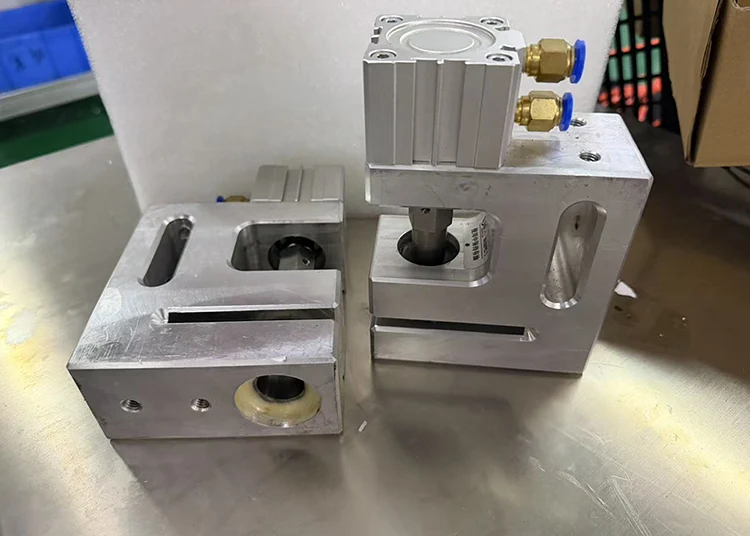
Selecting the right material is one of the most critical decisions in any stamping operation. A Pneumatic Blanking Die delivers fast, clean, and consistent cuts across a wide range of substrates, but its performance depends heavily on matching the tool to the material's thickness, hardness, and tensile strength. At Junssen, we have spent years engineering Pneumatic Blanking Die systems for manufacturers in automotive, electronics, aerospace, and packaging industries. This guide breaks down which materials perform best, where caution is required, and how to maximize tool life.
Material Compatibility at a Glance
| Material Type | Typical Thickness Range | Suitability | Notes |
|---|---|---|---|
| Mild Steel | 0.5–6 mm | Excellent | Most common choice for Pneumatic Blanking Die applications |
| Stainless Steel | 0.3–4 mm | Good | Requires higher tonnage and wear-resistant tooling |
| Aluminum | 0.5–8 mm | Excellent | Lightweight, fast cutting, minimal burr |
| Copper & Brass | 0.3–5 mm | Excellent | Ideal for electrical components |
| Galvanized Steel | 0.5–5 mm | Good | Coating may cause slight edge wear |
| Titanium | 0.2–2 mm | Moderate | Demands specialized die clearance |
| Plastics (ABS, PC, PVC) | 0.5–10 mm | Good | Clean edges with proper support |
| Rubber & Silicone | 1–12 mm | Moderate | Requires sharpened, polished edges |
| Composites & FR4 | 0.5–3 mm | Moderate | Abrasive; frequent maintenance needed |
| Paper & Cardboard | 0.1–2 mm | Excellent | High-speed, low-tonnage operation |
Key Factors That Determine Cut Quality
-
Material Hardness – Harder materials accelerate die wear and demand tighter tolerances.
-
Thickness – Thicker stock requires greater tonnage and larger die clearance.
-
Tensile Strength – High-strength alloys may cause edge cracking without proper clearance.
-
Surface Coating – Galvanized or painted surfaces can affect friction and burr formation.
-
Die Clearance – Typically set between 5% and 10% of material thickness for optimal results.
Junssen engineers each Pneumatic Blanking Die with these variables in mind, using finite element analysis and premium tool steels to ensure repeatable performance.
Pneumatic Blanking Die FAQ
Q: What is the maximum thickness a Pneumatic Blanking Die can cut?
A: Most standard Pneumatic Blanking Die systems handle up to 8 mm for soft metals like aluminum and up to 6 mm for mild steel. Titanium and hardened stainless steel are typically limited to 2–4 mm. For thicker or exotic materials, Junssen offers custom-engineered solutions with reinforced frames and higher tonnage cylinders.
Q: Can a Pneumatic Blanking Die cut non-metallic materials such as rubber or composites?
A: Yes. A Pneumatic Blanking Die performs well on rubber, silicone, plastics, and FR4 composites when the die is fitted with polished, sharp edges and appropriate clearance. Abrasive composites like carbon fiber require carbide inserts and more frequent sharpening, which Junssen supports through modular die designs.
Q: How do I choose the right Pneumatic Blanking Die for my material?
A: Start by defining material type, thickness, and production volume. Then match tonnage, die clearance, and tool steel grade accordingly. Junssen provides free material testing and consultation, helping clients select a Pneumatic Blanking Die that balances cut quality, cycle time, and total cost of ownership.
Why Material Selection Matters
Choosing the wrong Pneumatic Blanking Die for a given substrate leads to premature wear, poor edge quality, and costly downtime. Junssen mitigates these risks through:
-
Custom die clearance calculations
-
Wear-resistant coatings (TiN, DLC, chrome)
-
Modular tooling for quick material changeovers
-
Full validation before shipment
With the right setup, a Pneumatic Blanking Die can process everything from thin foils to structural steel with exceptional precision.
Contact Us
Ready to determine the ideal Pneumatic Blanking Die for your material and application? Junssen offers expert consultation, material testing, and custom engineering tailored to your production goals. Reach out to our team today to request a quote, schedule a technical review, or discuss your next stamping project. Let Junssen help you cut smarter, faster, and more cost-effectively.