

What Makes Cleanliness Detection Equipment Essential for Modern Manufacturing Quality Control?
2026-04-27
In today's precision-driven manufacturing landscape, maintaining strict cleanliness standards is no longer optional—it is a critical factor that directly impacts product quality, safety, and performance. From automotive components to aerospace parts and medical devices, even microscopic contaminants can lead to system failures or reduced lifespan. This is where Cleanliness Detection Equipment plays a pivotal role. By enabling accurate detection, analysis, and control of contamination levels, companies can ensure compliance with international standards and maintain a competitive edge.
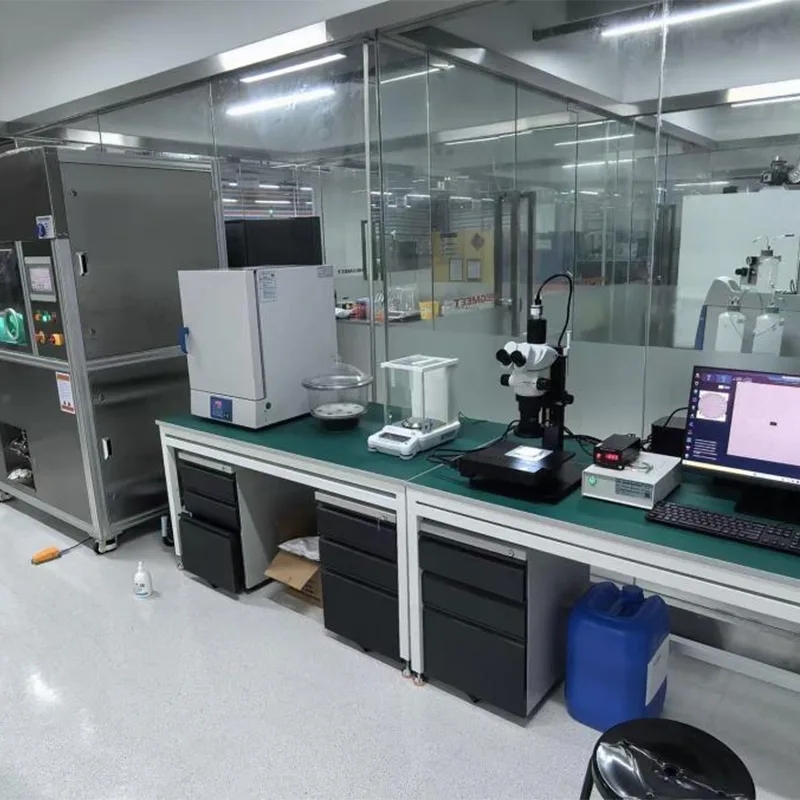
Understanding Cleanliness Detection Equipment
Cleanliness Detection Equipment refers to specialized instruments designed to identify, measure, and analyze contaminants such as particles, residues, and films on surfaces or within components. These systems are widely used in industries where precision and reliability are critical.
Key Functions
- Detection of particulate contamination
- Measurement of particle size and distribution
- Residue analysis (oil, grease, etc.)
- Compliance verification with cleanliness standards (e.g., ISO, VDA)
Why Cleanliness Detection Equipment Matters
1. Ensuring Product Quality
Contaminants can affect the functionality of components, especially in high-precision industries. Cleanliness detection ensures that every part meets strict quality benchmarks.
2. Reducing Failure Risks
Microscopic particles can cause wear, blockage, or electrical failure. Early detection minimizes costly recalls and downtime.
3. Meeting Industry Standards
Many industries require compliance with cleanliness standards such as ISO 16232 or VDA 19. Using Cleanliness Detection Equipment ensures adherence to these regulations.
4. Enhancing Brand Reputation
Consistent product quality builds trust with customers and strengthens brand positioning in competitive markets.
Types of Cleanliness Detection Equipment
Below is a simple comparison table of commonly used equipment:
| Equipment Type | Function | Application Industry |
|---|---|---|
| Particle Counters | Counts and sizes particles | Automotive, Aerospace |
| Gravimetric Analysis Systems | Measures total contamination | Manufacturing, Engineering |
| Microscopic Analysis Systems | Visual inspection of particles | Electronics, Medical Devices |
| Ultrasonic Cleaning Testers | Evaluates cleaning effectiveness | Industrial Cleaning |
How Cleanliness Detection Equipment Works
The process typically involves several steps:
-
Sample Extraction
Contaminants are removed from the component using liquids or ultrasonic methods. -
Filtration
Extracted particles are captured on a filter membrane. -
Analysis
Advanced imaging or weighing systems analyze particle size, quantity, and composition. -
Reporting
Data is compiled into reports for quality control and compliance verification.
Applications Across Industries
Automotive Industry
Ensures engine components, fuel systems, and hydraulic parts remain free from harmful particles.
Aerospace Sector
Maintains strict cleanliness standards to prevent catastrophic failures.
Medical Devices
Guarantees sterile and contamination-free equipment for patient safety.
Electronics Manufacturing
Prevents circuit damage caused by microscopic debris.
Key Benefits of Using Cleanliness Detection Equipment
-
Improved Production Efficiency
Early detection reduces rework and waste. -
Cost Savings
Prevents expensive product recalls and failures. -
Data-Driven Decisions
Provides measurable insights for process optimization. -
Regulatory Compliance
Ensures products meet global cleanliness standards.
Cleanliness Detection Equipment vs Traditional Inspection Methods
| Aspect | Cleanliness Detection Equipment | Traditional Methods |
|---|---|---|
| Accuracy | High | Moderate |
| Automation | Fully/Partially Automated | Manual |
| Data Analysis | Advanced & डिजिटल | Limited |
| Efficiency | Fast | Time-consuming |
Modern Cleanliness Detection Equipment clearly outperforms traditional inspection methods in terms of precision, speed, and reliability.
Choosing the Right Cleanliness Detection Equipment
When selecting equipment, consider the following factors:
- Industry Requirements
- Detection Accuracy Needed
- Sample Size and Throughput
- Compliance Standards
- Ease of Integration with Existing Systems
Why Choose SuZhou Kolymo Precison Machinery Co.,Ltd.?
SuZhou Kolymo Precison Machinery Co.,Ltd. stands at the forefront of innovation in Cleanliness Detection Equipment. With a commitment to precision engineering and advanced technology, the company provides tailored solutions that meet the evolving needs of modern industries.
Core Advantages
- Advanced detection technology
- Customizable solutions
- Reliable performance and durability
- Comprehensive technical support
Their expertise ensures that clients achieve optimal cleanliness control while improving operational efficiency.
Future Trends in Cleanliness Detection
The future of Cleanliness Detection Equipment is driven by technological advancements:
- AI-powered analysis systems
- Real-time monitoring and IoT integration
- Higher precision imaging technologies
- Automated reporting and cloud-based data management
These innovations will further enhance accuracy and efficiency, making cleanliness detection an integral part of smart manufacturing.
Conclusion
As industries continue to demand higher precision and reliability, the importance of Cleanliness Detection Equipment cannot be overstated. It not only safeguards product quality but also ensures compliance, reduces risks, and enhances overall operational efficiency. Companies that invest in advanced cleanliness detection solutions position themselves for long-term success in a competitive global market.
If you are looking for reliable, high-performance solutions, SuZhou Kolymo Precison Machinery Co.,Ltd. is your trusted partner. Contact us today to discover how our advanced Cleanliness Detection Equipment can elevate your quality control standards and drive your business forward.