

What Maintenance Steps Keep a HEPA Filter Housing Working at Peak Efficiency
2026-10-12
A HEPA Filter Housing is one of the most important components in any clean air system, yet it is often the most neglected. At Grandfort, we have seen how a well-maintained housing protects filter integrity, sustains airflow, and extends the life of the entire filtration unit. Whether you operate a pharmaceutical cleanroom, a hospital isolation ward, or a food processing line, the steps below will help you get consistent performance from every HEPA Filter Housing you install.
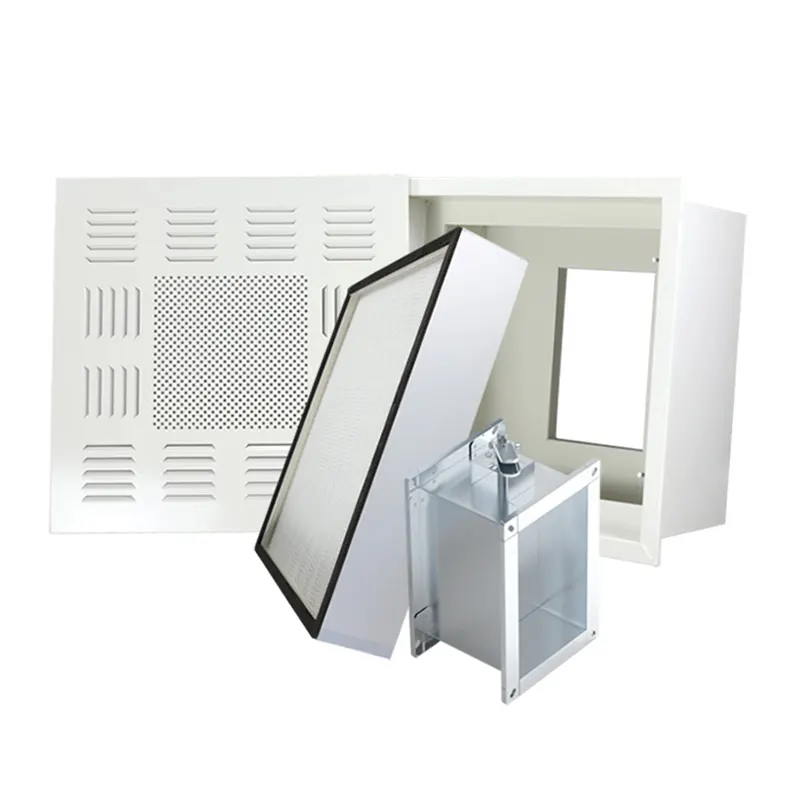
1. Establish a Scheduled Inspection Routine
Maintenance begins with consistency. A HEPA Filter Housing should be inspected at fixed intervals, not only when problems appear.
| Frequency | Task | Purpose |
|---|---|---|
| Monthly | Visual check of seals, gaskets, and clamps | Detect wear before leaks develop |
| Quarterly | Pressure drop reading | Confirm airflow remains within design range |
| Annually | Full leak test and gasket replacement | Verify housing integrity |
| Every 2–3 years | Gel seal or gasket renewal | Maintain airtight performance |
2. Monitor Pressure Drop Continuously
Pressure drop is the clearest indicator of HEPA Filter Housing health. A rising reading suggests filter loading, while a sudden drop may indicate a seal failure or bypass. Install a magnehelic gauge or differential pressure transmitter and log readings weekly. At Grandfort, we recommend setting alarm thresholds at 1.5 times the initial resistance so maintenance teams can act before efficiency declines.
3. Inspect and Replace Seals and Gaskets
The seal is where most HEPA Filter Housing failures originate. Gel seals, knife-edge seals, and gaskets all degrade over time. Check for cracking, compression set, or contamination during every filter change. Replace gaskets whenever the filter is replaced, and never reuse a compressed seal. This single step prevents the majority of leak-related failures.
4. Verify Leak Integrity with Proper Testing
A HEPA Filter Housing that passes visual inspection can still leak. Perform aerosol challenge testing with a photometer at least annually, and after any maintenance that disturbs the filter or seal. Test the seal perimeter, the filter face, and the housing joints. Document every result so you can track trends over time.
5. Clean the Housing Without Damaging It
Use only compatible cleaning agents. Stainless steel HEPA Filter Housing units from Grandfort tolerate most cleanroom detergents, but harsh chlorides can pit the surface. Wipe interior surfaces with a soft cloth, avoid abrasive pads, and allow full drying before reinstalling the filter. Residual moisture encourages microbial growth and corrosion.
6. Maintain Hardware and Structural Components
Loose clamps, worn hinges, and corroded bolts compromise sealing pressure. Torque fasteners to the manufacturer's specification, and replace damaged hardware promptly. A HEPA Filter Housing that cannot apply even pressure across the gasket will leak regardless of filter quality.
7. Keep Accurate Maintenance Records
Documentation supports regulatory compliance and reveals patterns. Record pressure readings, test results, seal replacements, and cleaning dates for each HEPA Filter Housing. This history helps you predict failures and justify replacement decisions.
HEPA Filter Housing FAQ
How often should a HEPA Filter Housing be leak tested?
A HEPA Filter Housing should be leak tested at least once per year, and immediately after any filter change, seal replacement, or maintenance that disturbs the sealing surfaces; in critical environments such as pharmaceutical cleanrooms, testing every six months is often recommended.
What causes pressure drop to increase in a HEPA Filter Housing?
Rising pressure drop in a HEPA Filter Housing is usually caused by particulate loading on the filter media, but it can also result from damaged pre-filters, incorrect airflow settings, or partially blocked ductwork, so the filter, pre-filter, and system balance should all be checked.
Can a HEPA Filter Housing be repaired instead of replaced?
Minor issues such as worn gaskets, loose clamps, or damaged hardware can be repaired on a HEPA Filter Housing, but cracked housings, corroded sealing surfaces, or deformed frames cannot be reliably repaired and should be replaced to maintain certification.
Conclusion
Peak efficiency from any HEPA Filter Housing comes from disciplined, documented maintenance rather than occasional attention. By following these steps and partnering with an experienced manufacturer like Grandfort, you protect air quality, reduce downtime, and extend equipment life.
Contact us today to speak with a Grandfort filtration specialist about inspection schedules, replacement seals, or a complete HEPA Filter Housing upgrade for your facility.