

What Maintenance Does a 200kWh Mobile Energy Storage EV Charging Station Require
2026-10-22
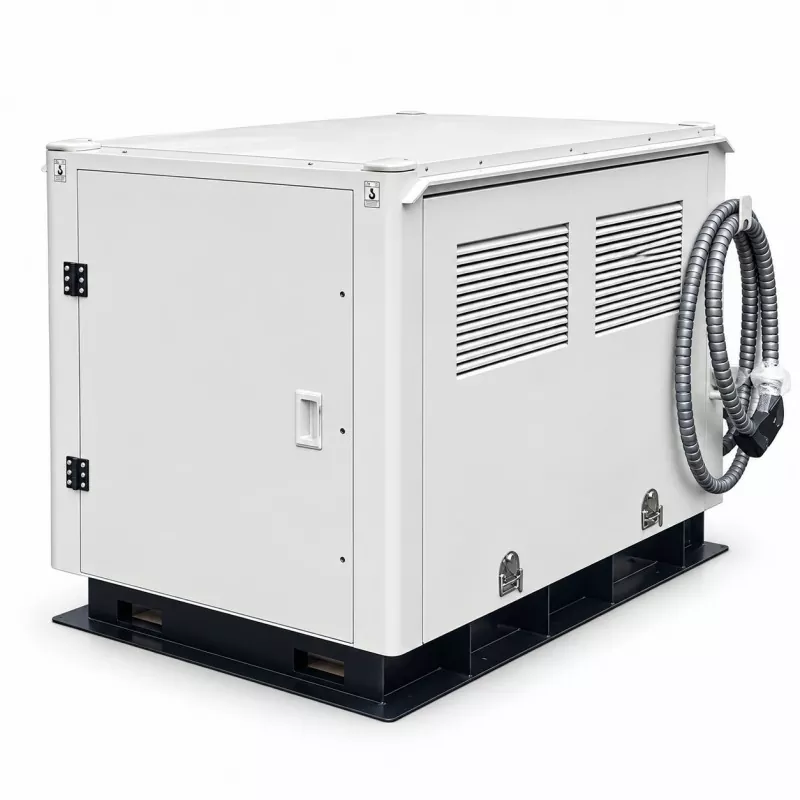
A 200kWh Mobile Energy Storage EV Charging Station from KTAC is a substantial capital asset, and its long-term reliability depends on a disciplined maintenance program rather than occasional repairs. Because these units combine high-voltage batteries, power conversion electronics, thermal management, and EV charging interfaces in a mobile enclosure, maintenance must address each subsystem on its own schedule. KTAC designs its 200kWh Mobile Energy Storage EV Charging Station platforms for serviceability, but owners still need a structured plan to protect uptime, warranty coverage, and safety.
Maintenance Schedule at a Glance
| Interval | Focus Area | Key Tasks |
|---|---|---|
| Daily / per use | Visual & operational | Inspect enclosure, cables, connectors; check fault logs; verify charge session completion |
| Monthly | Connectors & cooling | Clean charging couplers; check coolant level; inspect fans and filters |
| Quarterly | Battery & electrical | Review BMS data; torque-check terminals; insulation resistance test |
| Annually | Full system | Capacity test, thermal calibration, protection relay testing, firmware audit |
| Every 3–5 years | Major components | Coolant replacement, contactor inspection, connector replacement as needed |
Core Maintenance Areas
Battery and BMS monitoring. The battery is the highest-value subsystem in any 200kWh Mobile Energy Storage EV Charging Station. Maintenance teams should review state-of-health trends, cell balance, and temperature logs monthly, and perform an annual capacity verification to confirm usable energy remains within specification.
Thermal management. Liquid-cooled KTAC units require coolant level and quality checks, hose inspection, and pump verification. Air-cooled designs demand regular filter cleaning and fan testing, especially for units deployed in dusty construction or roadside environments.
Charging interface and cables. Connectors endure the most mechanical wear. Inspect pins for arcing, clean contacts, and test cable continuity quarterly. Damaged cables should be replaced immediately rather than repaired.
Power electronics and protection. Inverters, converters, and protection relays need annual calibration and firmware review. Quarterly insulation resistance and grounding checks protect both equipment and personnel.
Enclosure and mobility hardware. For trailer- or skid-mounted units, inspect tires, brakes, tie-downs, and weather seals. Vibration from transport is a common root cause of loose connections.
Frequently Asked Questions
How often should the battery of a 200kWh Mobile Energy Storage EV Charging Station be serviced?
Battery servicing should be continuous through BMS monitoring, with a formal review monthly and a full capacity test annually; KTAC recommends replacing cells or modules only when state-of-health falls below the threshold defined in the warranty terms.
Can a 200kWh Mobile Energy Storage EV Charging Station be maintained in the field?
Yes, most routine tasks such as connector inspection, filter cleaning, coolant top-up, and firmware updates can be performed on site, while capacity testing and protection relay calibration are best handled by KTAC-certified technicians with calibrated equipment.
What are the most common failure points in a 200kWh Mobile Energy Storage EV Charging Station?
Charging connectors, cable assemblies, cooling fans, and low-voltage control wiring are the most frequent trouble areas, largely due to mechanical wear, dust ingress, and transport vibration, all of which are minimized through scheduled inspections.
Building a Maintenance Program
A documented maintenance log is essential for warranty compliance and resale value. KTAC provides service manuals, spare-part kits, and remote diagnostics for its 200kWh Mobile Energy Storage EV Charging Station lineup, allowing operators to move from reactive repairs to predictive servicing. Training staff on lockout/tagout procedures and high-voltage safety is non-negotiable before any work begins.
Contact us at KTAC today to request a tailored maintenance schedule, certified service training, or a spare-parts package for your 200kWh Mobile Energy Storage EV Charging Station fleet.