

What is the Maximum Tube Diameter an Industrial Heavy-Duty Tube Shrinking Machine Can Handle
2026-05-25
When selecting an Industrial Heavy-Duty Tube Shrinking Machine, one of the first questions engineers and production managers ask is about maximum tube diameter capacity. The answer depends on the specific model and manufacturer. For Feihong industrial equipment, the standard Industrial Heavy-Duty Tube Shrinking Machine series handles tube diameters from 10mm up to 220mm, with specialized custom units reaching 350mm. This range covers most applications in automotive, furniture, and construction industries.
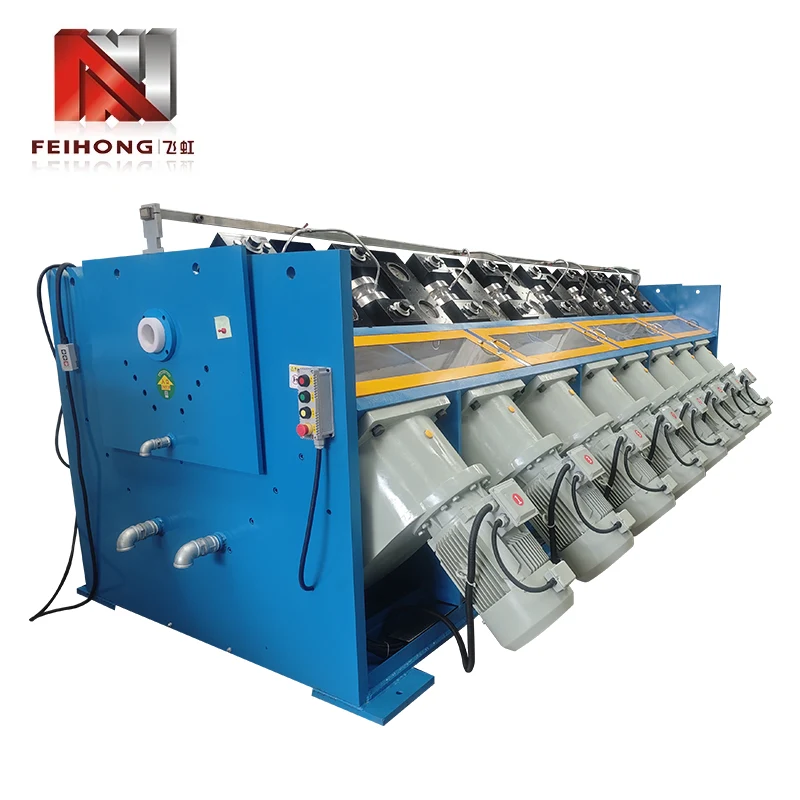
Key Factors That Determine Maximum Diameter Capacity
The maximum tube diameter an Industrial Heavy-Duty Tube Shrinking Machine can accommodate is influenced by several engineering parameters:
| Factor | Impact on Diameter Capacity | Typical Range |
|---|---|---|
| Clamping force (tons) | Higher force allows larger diameters | 40 - 200 tons |
| Die set configuration | Segmented dies handle wider tubes | 4 - 8 segments |
| Frame construction | Reinforced frames reduce deflection | C-frame or box-type |
| Hydraulic pressure | Consistent pressure for uniform shrinking | 160 - 315 bar |
Performance Across Different Diameter Ranges
Feihong offers multiple configurations of the Industrial Heavy-Duty Tube Shrinking Machine to match varying diameter needs:
| Tube Diameter Range | Typical Application | Recommended Model |
|---|---|---|
| 10 - 80 mm | Furniture frames, handrails | FH-65S |
| 80 - 150 mm | Automotive roll bars, structural supports | FH-150P |
| 150 - 220 mm | Industrial piping, heavy machinery frames | FH-220HD |
| 220 - 350 mm | Custom oil/gas pipelines (special order) | FH-350C |
Industrial Heavy-Duty Tube Shrinking Machine FAQ
Q: Can an Industrial Heavy-Duty Tube Shrinking Machine reduce the diameter of thick-walled pipes without causing cracks or surface defects?
A: Yes, provided the machine has sufficient clamping force and the operator uses appropriate die sets with gradual reduction stages. Feihong Industrial Heavy-Duty Tube Shrinking Machine models feature multi-stage hydraulic control that applies pressure incrementally. For thick-walled tubes (wall thickness >5mm), we recommend reducing diameter by no more than 15% per pass. Pre-heating the tube to 150-200°C further reduces cracking risk. The FH series also includes built-in pressure sensors that automatically adjust clamping force based on material resistance.
Q: How does tube material type affect the maximum diameter an Industrial Heavy-Duty Tube Shrinking Machine can process?
A: Material properties significantly alter effective diameter capacity. A Feihong Industrial Heavy-Duty Tube Shrinking Machine rated for 150mm in mild steel can only handle 120mm in stainless steel (higher tensile strength) but up to 170mm in aluminum (lower strength). Copper and brass tubes can be processed at the full rated diameter but require lower clamping speeds to prevent wrinkling. Always consult the material-specific capacity chart provided with each Feihong unit. For exotic alloys like Inconel or titanium, reduce rated diameter by 30-40% as a starting guideline.
Q: What happens if I exceed the recommended maximum tube diameter on an Industrial Heavy-Duty Tube Shrinking Machine?
A: Exceeding the rated diameter risks permanent damage to both the machine and the tube. Overloading can cause frame deflection, cracked die holders, hydraulic seal failure, or tube buckling. In Feihong machines, the control system automatically prevents operation beyond 105% of rated diameter as a safety interlock. If forced, common consequences include uneven shrinkage (oval cross-section), surface scoring, and reduced clamping force accuracy over time. Always select an Industrial Heavy-Duty Tube Shrinking Machine with at least 20% headroom above your largest production tube.
Best Practices for Maximum Diameter Operation
To safely achieve maximum diameter performance from your Feihong Industrial Heavy-Duty Tube Shrinking Machine, follow these guidelines:
-
Use precision-ground die sets matched exactly to the starting and target diameters
-
Apply lubricant (molybdenum disulfide based) to the tube surface before shrinking
-
Reduce shrinking ratio to 8-10% per pass for diameters above 180mm
-
Verify tube straightness; bent tubes require derating capacity by 25%
Contact Us
For a detailed capacity chart covering your specific tube materials and diameters, contact Feihong technical sales. Our engineers provide free application reviews and recommend the exact Industrial Heavy-Duty Tube Shrinking Machine model for your production line. Reach out via the website contact form or call your regional Feihong representative to schedule a live demonstration or request a customized quote.