

What is the maximum temperature range achievable in a modern laboratory vacuum oven
2026-04-23
When selecting a laboratory vacuum oven for sensitive drying, curing, or heat treatment processes, one of the most critical specifications is the maximum temperature range. Modern laboratory vacuum oven systems, such as those offered by Symor, typically achieve temperature ranges from ambient +10°C up to 200°C, 250°C, or even 300°C, depending on the model and heating technology employed. High-end industrial units may reach 400°C, but for most R&D and quality control applications, 200°C to 250°C remains the standard safe and efficient range under vacuum conditions.
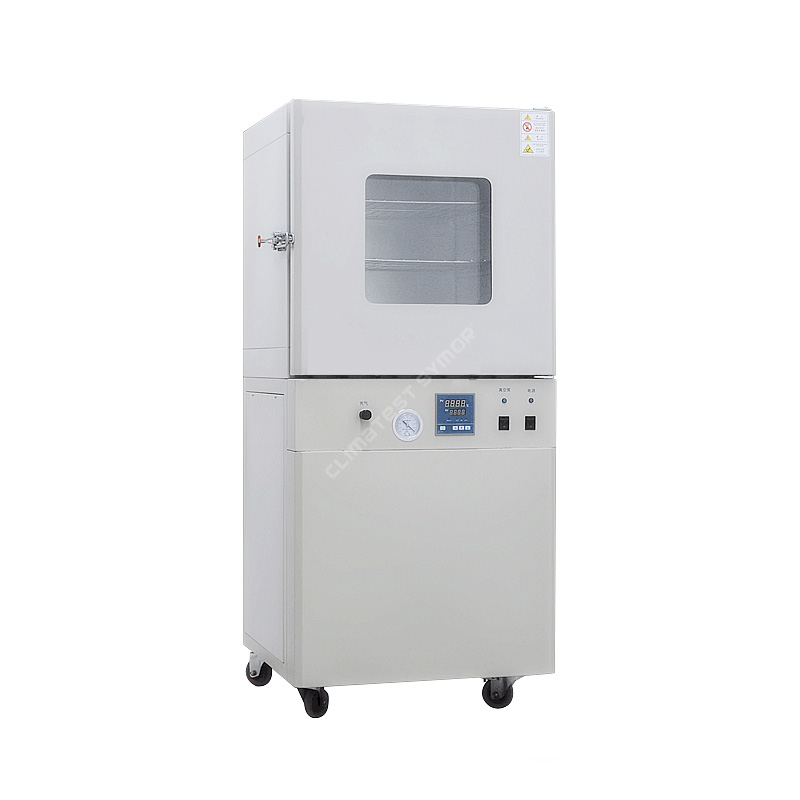
Temperature range comparison by application
| Application Area | Recommended Temperature Range | Why This Range |
|---|---|---|
| Drying of heat-sensitive powders | 40°C – 80°C | Prevents decomposition |
| Electronic component baking | 80°C – 150°C | Removes moisture without oxidation |
| Glassware drying | 120°C – 180°C | Fast evaporation under vacuum |
| Polymer curing | 150°C – 200°C | Uniform cross-linking |
| Advanced material testing | 200°C – 300°C | High thermal stability required |
Symor engineers its laboratory vacuum oven series with stainless steel chambers and multi-layer borosilicate glass windows, ensuring both high temperature resistance and excellent vacuum sealing up to -0.1 MPa. The maximum achievable temperature is not only a function of the heating elements but also the vacuum pump capacity and chamber insulation. For example, at 250°C, the internal pressure must remain below 1 mbar to avoid sample oxidation.
Key factors determining temperature limits
-
Heater type: Wrap-around or independent bottom/side heaters
-
Seal material: Silicone or Viton (Viton withstands up to 300°C)
-
Sensor accuracy: K-type or PT100 thermocouples
-
Vacuum degree: Deeper vacuum reduces heat convection but requires higher surface temperature
Laboratory Vacuum Oven FAQ
1. Can I run a laboratory vacuum oven at 300°C continuously for 24 hours?
Yes, but only if the laboratory vacuum oven is specifically designed for high-temperature operation. Symor high-temperature models use reinforced heating elements and upgraded door seals to maintain stable vacuum at 300°C for extended periods. However, continuous operation above 250°C may reduce the lifespan of standard silicone seals. It is recommended to check the oven’s temperature uniformity at set point using a calibrated external probe every 6 months. For 24-hour runs, always preheat the oven at 150°C for 1 hour before ramping to 300°C to avoid thermal shock to the glass window and gasket.
2. Why does the temperature reading differ from the set point in my laboratory vacuum oven
Temperature deviation in a laboratory vacuum oven commonly occurs due to poor heat transfer under deep vacuum. Without air molecules, convection is minimal, so the shelf temperature may be 10–20°C lower than the chamber wall temperature. Symor solves this with four-sided independent heating and a programmable PID controller that adjusts power output based on a sensor placed near the sample zone. To minimize deviation, always load samples on middle shelves, preheat the oven at set temperature for 30 minutes before pulling full vacuum, and use a separate thermocouple inside a dummy sample to verify actual temperature.
3. What is the lowest achievable temperature in a laboratory vacuum oven above ambient
Most laboratory vacuum oven units cannot cool below ambient unless equipped with an optional cooling system. The minimum stable temperature is typically ambient +10°C to +15°C. For example, if your lab is at 25°C, the oven will maintain around 35–40°C under vacuum without special cooling. Symor offers an optional water-cooled or compressor-cooled variant that can reach 5°C above ambient for low-temperature vacuum drying of biological materials. However, standard models are not refrigeration units, so attempting to operate below ambient without the cooling accessory will result in unstable control and possible condensation inside the chamber.
Conclusion and contact us
Understanding the maximum temperature range of your laboratory vacuum oven ensures safe, repeatable results for heat-sensitive and high-purity materials. Symor provides customized temperature configurations from 200°C to 400°C, along with full validation protocols. For more technical specifications or to request a quote for your specific application, contact us directly through the Symor website or email our engineering support team.