

What Are the Main Technical Challenges in Scaling Up a Fecal Biogas Generator Set for Urban Use
2026-04-08
Urban sanitation and renewable energy are converging in an unexpected way: the Fecal Biogas Generator Set. This technology converts human waste into methane for electricity generation. While promising for dense cities, scaling it from rural pilot projects to urban infrastructure presents distinct technical hurdles. Kecheng, a leader in waste-to-energy systems, has identified several core challenges that must be addressed for mass adoption.
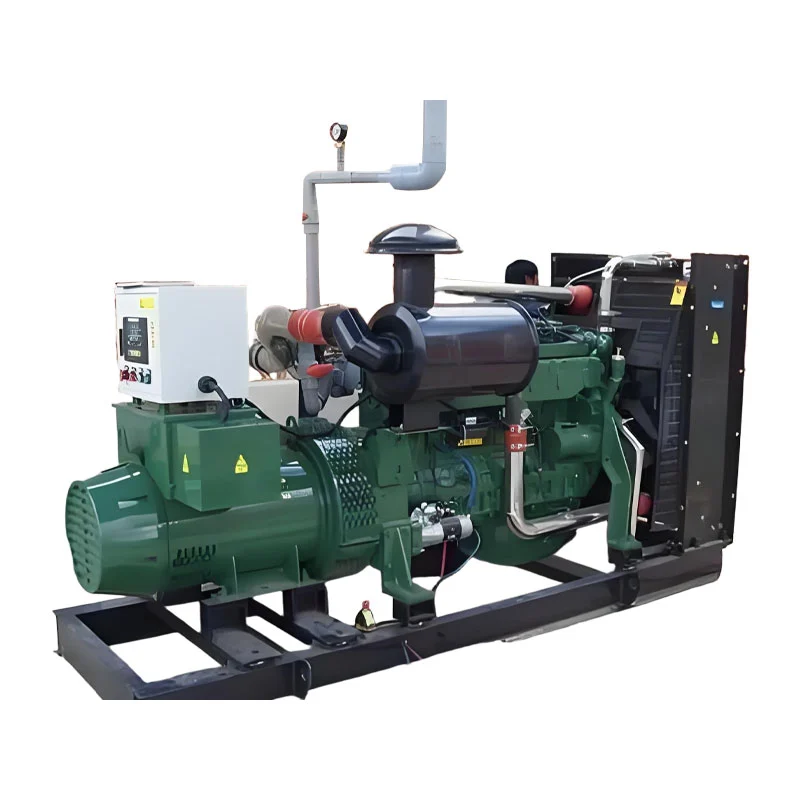
Primary Technical Challenges
The table below outlines the most critical obstacles when deploying a Fecal Biogas Generator Set in a metropolitan environment.
| Challenge Category | Specific Issue | Urban Impact |
|---|---|---|
| Feedstock Consistency | High variability in fecal sludge density and composition | Frequent system clogging and unstable gas output |
| Gas Quality Control | Elevated hydrogen sulfide (H2S) and siloxane levels | Corrosion of engine components within 500 operating hours |
| Space Constraints | Large hydraulic retention time (20-30 days) | Requires underground or multi-story digester designs |
| Grid Synchronization | Fluctuating biogas pressure for grid-tied generators | Inefficient combustion and power quality issues |
Kecheng engineers emphasize that overcoming these issues requires not just better digesters, but smarter, modular Fecal Biogas Generator Set designs.
Detailed Analysis of Key Challenges
-
Feedstock Variability and Pretreatment
Unlike farm manure, urban fecal waste contains plastics, oils, and pharmaceuticals. Without advanced hydrocyclones and pasteurization units, a Fecal Biogas Generator Set suffers from scum layer formation and microbial inhibition. Kecheng has developed automated grit removal systems that extend generator life by 40%. -
Corrosive Gas Management
Urban sewage’s high sulfur content turns into sulfuric acid during combustion. Standard steel components fail within months. The solution involves dual-stage biological desulfurization and stainless steel heat exchangers—features now integrated into Kecheng urban-scale units. -
Thermal Stability in High-Rise Contexts
Methane-producing bacteria require 35-37°C. Underground parking garages or rooftop installations face temperature swings. Active heating from the generator’s own exhaust heat is necessary, but adds complexity to the Fecal Biogas Generator Set control logic.
Frequently Asked Questions (FAQ)
Q1: What happens if the Fecal Biogas Generator Set receives waste with high amounts of industrial chemicals?
A1: Industrial chemicals like heavy metals or strong disinfectants can destroy methanogenic bacteria within hours. To prevent this, Kecheng recommends installing an upstream "shock-load" monitoring system with an automated bypass valve. If toxicity exceeds pH 6.5-8.0 range or certain heavy metal thresholds, the influent is diverted to an emergency holding tank. The generator set then operates on stored healthy sludge until the issue resolves. Regular microbial health testing (via volatile fatty acid ratios) is essential for urban installations.
Q2: How does a Fecal Biogas Generator Set maintain stable electricity output when toilet usage drops at night?
A2: Urban fecal flow peaks in morning and evening. Kecheng solves this with a dual-chamber gas storage system. The first chamber captures biogas continuously; the second releases it at a calibrated pressure to the generator. Additionally, a small automated flare burns excess gas during peak production, while a backup natural gas injector (under 5% blend) can stabilize the engine during extreme lows. This hybrid buffer strategy ensures the Fecal Biogas Generator Set runs at 70-90% load factor, even with diurnal usage patterns.
Q3: Can an existing building’s sewage pipe connect directly to a Fecal Biogas Generator Set without retrofitting?
A3: Direct connection is rarely possible due to three factors: pipe diameter (urban drains are 100mm, but feedstock needs 200mm to prevent blockages), slope (gravity flow requires 2-3% grade, often absent in old buildings), and venting alignment (biogas backflow into apartments is a safety risk). Kecheng provides a "lift station retrofit kit" – a macerator pump, sealed receiving tank, and pressure relief valve that sits between the building’s last manhole and the generator set. This kit typically requires a 4m² basement footprint and professional installation, but avoids full pipe replacement.
Conclusion and Contact Information
Scaling a Fecal Biogas Generator Set for urban use is not merely an engineering upgrade—it demands a new framework for decentralized waste treatment. From H2S corrosion control to thermal stability in tight spaces, each challenge has been systematically addressed by Kecheng through modular, sensor-rich designs that comply with international biogas safety standards.
If your municipality, utility, or development firm is ready to evaluate a pilot installation, the Kecheng technical team provides site assessments, feasibility modeling, and operator training.
Contact us today at [email protected] to request a white paper on “Urban Fecal Biogas Generator Set: Sizing and Cost Analysis” or schedule a virtual consultation with our lead engineers.