Article Summary
Reverse osmosis (RO) equipment has become a critical solution for achieving high-quality water purification in industrial, commercial, and residential settings. This article explores how RO systems work, their key components, common challenges, maintenance tips, and benefits. By understanding the functionality and practical applications of RO equipment, businesses and households can ensure safe, clean water for various purposes.
What is Reverse Osmosis Equipment?
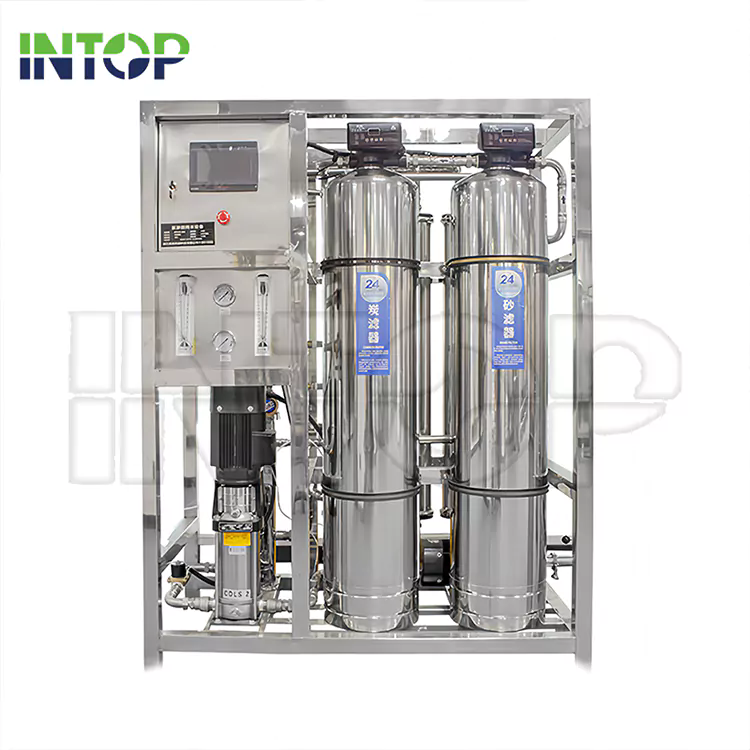
Reverse osmosis equipment is a water filtration system that removes contaminants, minerals, and impurities from water by forcing it through a semi-permeable membrane. RO systems are widely used in households, industries, laboratories, and healthcare facilities to ensure water meets high purity standards.
The system is designed to address the increasing need for safe drinking water, reduce scaling in machinery, and enhance industrial process efficiency.
How Does Reverse Osmosis Work?
The reverse osmosis process uses pressure to move water through a membrane that blocks dissolved salts, bacteria, and other impurities. The purified water passes to the storage tank while contaminants are flushed away as wastewater.
|
Step
|
Description
|
|
1. Pre-Filtration
|
Removes large particles, sediments, and chlorine that can damage the RO membrane.
|
|
2. Reverse Osmosis Membrane
|
High-pressure water passes through the membrane, leaving contaminants behind.
|
|
3. Post-Filtration
|
Polishes the water for taste and odor by passing it through carbon filters.
|
|
4. Storage & Distribution
|
Filtered water is stored in a tank and delivered for use when needed.
|
Key Components of RO Systems
-
RO Membrane: The heart of the system that separates contaminants from water.
-
Pre-Filters: Protect the membrane by removing larger impurities.
-
Post-Filters: Enhance water taste and quality.
-
Pressure Pump: Ensures adequate water pressure for optimal filtration.
-
Storage Tank: Holds purified water ready for use.
-
Automatic Shut-off Valve: Saves water by stopping flow when the tank is full.
Common Challenges and Solutions
While RO systems are highly effective, users often encounter issues such as:
-
Low Water Pressure: Ensure the feed water pressure is adequate; consider installing a booster pump.
-
Membrane Fouling: Regularly clean or replace membranes to maintain efficiency.
-
Excess Waste Water: Modern RO systems optimize water recovery; check for leaks or valve issues.
-
Mineral Depletion: RO water can be low in minerals; consider remineralization filters for drinking water.
Maintenance Tips for Longevity
-
Replace pre-filters every 6–12 months to protect the membrane.
-
Clean and sanitize storage tanks annually to prevent bacterial growth.
-
Monitor water pressure and flow rate to detect early system issues.
-
Use high-quality replacement membranes and components.
-
Keep the system away from direct sunlight and freezing conditions.
Benefits of Using Reverse Osmosis Equipment
-
Safe Drinking Water: Removes harmful chemicals, heavy metals, and bacteria.
-
Improved Taste: Eliminates chlorine and other substances affecting water flavor.
-
Equipment Protection: Reduces scaling and damage to industrial machinery.
-
Environmental Impact: Minimizes the need for bottled water and plastic waste.
-
Cost Efficiency: Long-term savings by reducing water treatment and maintenance costs.
Frequently Asked Questions
-
Q1: How often should the RO membrane be replaced? A: Typically every 2–3 years, depending on water quality and usage.
-
Q2: Can RO water be used for plants? A: Yes, but consider remineralizing water for optimal plant growth.
-
Q3: Is RO water safe for infants? A: Yes, RO water is safe but may need mineral supplementation.
-
Q4: How much water does an RO system waste? A: Most residential systems waste 2–4 liters per liter of purified water; high-efficiency models reduce waste significantly.
-
Q5: Can I install RO equipment myself? A: Simple residential systems can be installed DIY, but industrial systems require professional setup.