

How Does an Infrared Red Light Therapy PDT Panel Compare to Traditional LED Masks for Acne Treatment
2026-05-26
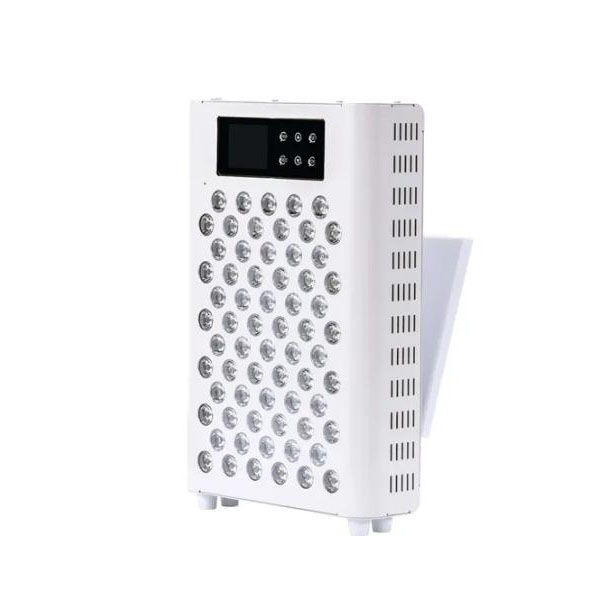
Acne treatment has evolved significantly, and devices like the Infrared Red Light Therapy PDT Panel from SZCavlon are now competing directly with traditional LED masks. Understanding the differences in design, penetration depth, and clinical efficacy is key to choosing the right solution.
Core Differences at a Glance
| Feature | Infrared Red Light Therapy PDT Panel (e.g., SZCavlon) | Traditional LED Face Mask |
|---|---|---|
| Treatment Area | Full body or large zones (back, chest, face) | Limited to face and small areas |
| Wavelengths | Typically 630nm (red) + 830nm (near-infrared) | Usually 415nm (blue) + 630nm (red) |
| Penetration Depth | Up to 5-8mm (reaches sebaceous glands deeply) | 1-2mm (surface level) |
| Power Density | 50-150 mW/cm² (high intensity, shorter sessions) | 10-30 mW/cm² (low intensity, longer sessions) |
| Hands-Free Use | Requires panel placement on a stand or desk | Worn directly on the face |
Why the Panel May Outperform Masks for Acne
Traditional LED masks rely on blue light for P. acnes bacteria and red light for mild inflammation. However, cystic or hormonal acne often resides deeper in the dermis. The Infrared Red Light Therapy PDT Panel delivers near-infrared light that penetrates through skin layers, reducing deep inflammation, shrinking overactive sebaceous glands, and accelerating healing without direct contact. SZCavlon panels also allow simultaneous treatment of facial and body acne, whereas masks leave the neck, jawline margins, and back untreated.
3 Key FAQ: Infrared Red Light Therapy PDT Panel
Question 1: Can an Infrared Red Light Therapy PDT Panel replace benzoyl peroxide or prescription retinoids for acne?
Answer: Not entirely, but it acts as a powerful adjunct. The Infrared Red Light Therapy PDT Panel reduces inflammatory markers (IL-6, TNF-alpha) and sebum production, similar to low-dose retinoids, without dryness or irritation. For moderate acne, it can replace topical antibiotics when used 5 times weekly. For severe cystic acne, it works alongside prescription medications to speed resolution and minimize scarring. Always consult a dermatologist before discontinuing prescriptions.
Question 2: How long before I see visible results using an Infrared Red Light Therapy PDT Panel for acne, and how often should I use it?
Answer: Most users notice reduced redness and fewer active pustules within 2-3 weeks of consistent use. For optimal results with SZCavlon panels, apply treatment for 10-15 minutes per targeted area, 5-6 days per week. Deep cystic lesions may require 8-10 weeks to show significant improvement. Unlike masks that need 30+ minutes daily, the higher power of a panel shortens session time and yields faster cumulative effects.
Question 3: Is an Infrared Red Light Therapy PDT Panel safe for acne-prone sensitive skin that reacts to blue light masks?
Answer: Yes, and it is often safer. Traditional blue light masks can cause hyperpigmentation in darker skin tones or worsen rosacea. The Infrared Red Light Therapy PDT Panel using red (630nm) and near-infrared (830nm) only produces minimal heat and no UV or blue wavelengths, making it non-irritating. SZCavlon panels include built-in cooling and flicker-free drivers, preventing thermal burns or photosensitivity reactions. Start with 5 minutes per session and increase gradually.
Practical Verdict
Choose a traditional LED mask for mild, surface-level breakouts if budget is tight and you only target the face. Choose the Infrared Red Light Therapy PDT Panel from SZCavlon for moderate to severe acne, cystic lesions, body acne, or when you want faster results with higher power and deeper penetration.
Contact Us
Ready to upgrade your acne therapy routine Visit SZCavlon official website for technical specs, clinical study summaries, and direct pricing. Our support team is available to help you select the right Infrared Red Light Therapy PDT Panel model for your skin type and treatment area – contact us today for a personalized consultation.