

How Does a Grain Sterilization Tank Improve Grain Safety and Storage Efficiency?
2026-03-10
Article Summary
Grain contamination caused by insects, bacteria, and mold is a major challenge for grain processors, storage facilities, and agricultural distributors. A Grain Sterilization Tank is designed to eliminate harmful microorganisms and pests while preserving grain quality. By applying controlled temperature, sterilization technology, and precise processing conditions, this equipment ensures that grains remain safe for consumption and long-term storage.
This article explains how a grain sterilization tank works, the key components of the system, common operational challenges, and how the right equipment selection can significantly improve food safety and production efficiency.
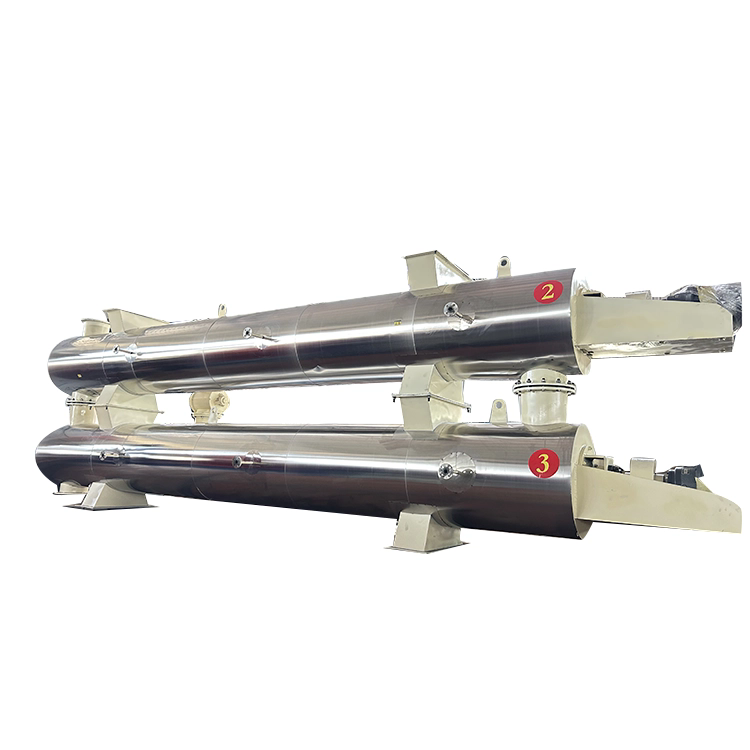
Table of Contents
- 1. Introduction to Grain Sterilization Tanks
- 2. Why Grain Sterilization Is Essential
- 3. How a Grain Sterilization Tank Works
- 4. Key Components of a Grain Sterilization System
- 5. Technical Parameters of Grain Sterilization Tanks
- 6. Major Advantages for Grain Processing Facilities
- 7. How to Choose the Right Grain Sterilization Tank
- 8. Frequently Asked Questions
1. Introduction to Grain Sterilization Tanks
Grains such as wheat, rice, corn, barley, and soybeans are highly susceptible to contamination during harvesting, transportation, and storage. Moisture, insects, and microbial growth can quickly compromise grain quality and lead to significant economic losses.
A Grain Sterilization Tank is an industrial processing system designed to sterilize grain materials before storage or packaging. The tank creates a controlled environment where heat treatment or sterilization processes eliminate pests, larvae, fungi, and harmful bacteria.
Modern grain sterilization equipment is widely used in:
- Grain storage facilities
- Food processing plants
- Seed processing centers
- Agricultural supply chains
- Feed production factories
By integrating sterilization systems into the processing workflow, businesses can maintain stable grain quality and comply with strict food safety standards.
2. Why Grain Sterilization Is Essential
Grain contamination can occur at multiple stages of the supply chain. Without effective sterilization, grains may suffer from several issues that reduce market value and storage life.
Common problems include:
- Insect infestation during storage
- Mold growth due to humidity
- Bacterial contamination affecting food safety
- Loss of nutritional value
- Reduced shelf life and export quality
Traditional fumigation methods may leave chemical residues and are not always effective against resistant pests. A grain sterilization tank provides a cleaner and more controlled solution by applying physical sterilization methods and automated monitoring systems.
This approach ensures uniform treatment across the entire grain batch while preserving the natural properties of the grain.
3. How a Grain Sterilization Tank Works
The working principle of a grain sterilization tank is based on controlled sterilization conditions combined with mechanical processing. The system ensures that grains are treated evenly without damaging their structure.
The general operation process includes:
- Material Feeding – Raw grains are loaded into the sterilization tank through a feeding system.
- Sealed Processing Environment – The tank creates a closed environment to ensure stable sterilization conditions.
- Heat or Sterilization Treatment – The system raises the internal temperature or applies sterilization techniques to eliminate insects and microorganisms.
- Uniform Circulation – Internal mixing mechanisms ensure even treatment of all grain particles.
- Cooling and Discharge – After sterilization, grains are cooled and discharged for further processing or storage.
This controlled process ensures high sterilization efficiency while preventing damage to grain kernels.
4. Key Components of a Grain Sterilization System
A well-designed grain sterilization tank consists of several important components that work together to deliver reliable performance.
- Sterilization Chamber – The main tank where grains are treated.
- Heating System – Provides the required temperature for sterilization.
- Temperature Control Unit – Maintains precise processing conditions.
- Mixing Mechanism – Ensures even distribution of grains inside the tank.
- Discharge System – Allows efficient unloading after treatment.
- Control Panel – Enables operators to monitor and control system parameters.
Advanced systems may also include automated sensors and safety protection mechanisms to ensure stable operation.
5. Technical Parameters of Grain Sterilization Tanks
Different production environments require different sterilization capacities and equipment configurations. Below is a typical parameter overview for industrial grain sterilization tanks.
| Parameter | Description |
|---|---|
| Processing Capacity | 1–20 tons per batch depending on system design |
| Tank Material | Carbon steel or stainless steel |
| Temperature Range | Adjustable according to sterilization requirements |
| Control System | Automatic or semi-automatic control panel |
| Application Materials | Rice, wheat, corn, soybeans, barley, and other grains |
| Heating Method | Electric heating, steam heating, or thermal energy |
Equipment specifications can be customized depending on the scale of the grain processing facility.
6. Major Advantages for Grain Processing Facilities
Using a grain sterilization tank provides multiple operational and economic benefits for agricultural processing operations.
Key advantages include:
- Improved Grain Safety – Eliminates harmful microorganisms and pests.
- Extended Storage Life – Prevents mold and insect damage.
- Uniform Sterilization – Ensures consistent treatment of large grain batches.
- Reduced Chemical Usage – Minimizes reliance on fumigation chemicals.
- Higher Market Value – Clean, pest-free grain is more competitive in global markets.
For large grain storage operations and food processing plants, these benefits directly translate into improved operational efficiency and reduced product loss.
7. How to Choose the Right Grain Sterilization Tank
Selecting the appropriate sterilization system requires careful consideration of several operational factors.
Important selection criteria include:
- Daily grain processing capacity
- Type of grain being processed
- Available installation space
- Required sterilization efficiency
- Energy consumption and operating cost
- Automation level and control system
Working with experienced equipment manufacturers ensures that the sterilization system is properly designed to match the production workflow.
Companies such as Shandong Chengming specialize in industrial environmental protection and grain processing equipment, offering customized grain sterilization tanks designed for stable performance and long-term durability.
8. Frequently Asked Questions
Q1: What types of grains can be processed in a grain sterilization tank?
Grain sterilization tanks can process a wide range of grains, including rice, wheat, corn, barley, soybeans, and other agricultural products used in food and feed production.
Q2: Does sterilization affect the nutritional value of grain?
When properly controlled, the sterilization process eliminates harmful microorganisms without damaging the nutritional composition or physical structure of the grain.
Q3: How long does a sterilization cycle usually take?
The processing time varies depending on grain type, batch size, and sterilization conditions, but most industrial systems complete treatment within a controlled processing cycle designed for efficiency.
Q4: Can the equipment be customized for large processing plants?
Yes. Grain sterilization tanks can be designed with different capacities, automation levels, and heating systems to meet the specific requirements of large-scale grain processing operations.
Conclusion
Grain safety and storage stability are critical challenges for modern agricultural supply chains. A reliable Grain Sterilization Tank provides an efficient solution for eliminating pests, controlling microbial contamination, and protecting grain quality throughout the storage cycle.
With advanced engineering design and stable sterilization performance, equipment developed by Shandong Chengming helps grain processors maintain consistent product quality while improving operational efficiency.
If your facility is seeking reliable grain sterilization solutions or customized processing equipment, contact us today to learn how professional systems can enhance grain safety, storage performance, and long-term production stability.