

How Do You Select the Right Dense Type Positive Roots Blower for Pneumatic Conveying Systems
2026-05-20
Selecting the correct Dense Type Positive Roots Blower for pneumatic conveying systems is critical to operational efficiency, energy consumption, and equipment longevity. At EIHE Steel Structure, we have engineered and supplied blower solutions for heavy-duty industrial applications, and the selection process requires a systematic evaluation of system parameters, material characteristics, and performance requirements.
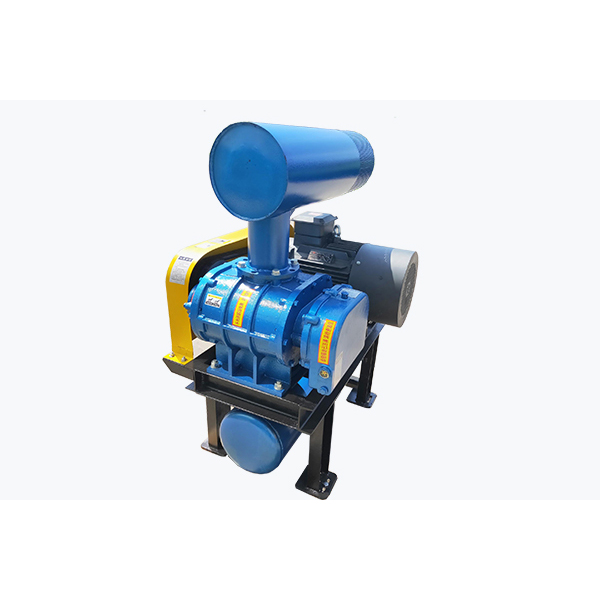
Key Selection Parameters
Before choosing a Dense Type Positive Roots Blower, engineers must assess the following factors:
| Selection Factor | Description | Impact on Blower Choice |
|---|---|---|
| Conveying distance | Total pipe length including vertical and horizontal runs | Determines required discharge pressure |
| Material density | Bulk density of conveyed solids (kg/m³) | Affects air volume and power rating |
| Particle size | Maximum and average particle diameter | Influences rotor clearance and housing design |
| Required feed rate | Mass flow rate (tons/hour) | Directly correlates with blower displacement |
| System pressure drop | Resistance from filters, bends, and receivers | Sets the pressure class of the blower |
Performance Matching Criteria
EIHE Steel Structure recommends using the following checklist when sizing your Dense Type Positive Roots Blower:
-
Pressure range: Dense phase systems typically require 0.8–2.5 bar(g). Verify peak pressure capability.
-
Flow rate: Calculate free air delivery (m³/min) based on solids loading ratio (SLR typically 15–50 for dense phase).
-
Rotor coating: Abrasive materials demand hardened or coated rotors from EIHE Steel Structure.
-
Sealing arrangement: Labyrinth or mechanical seals for fine dust or hazardous materials.
Dense Type Positive Roots Blower FAQ – Common Questions from Engineers
Q1: How do I calculate the required air volume for a dense phase pneumatic conveying system using a Dense Type Positive Roots Blower?
A1: Start with the desired material mass flow rate (M, in kg/h). Determine the solids loading ratio (SLR), which for dense phase typically ranges from 15 to 50. Air mass flow rate = Material flow rate / SLR. Convert air mass flow to volumetric flow using inlet air density (approximately 1.2 kg/m³ at 20°C and 1 bar). Add a safety factor of 10–15% for leaks and filter resistance. For example, conveying 10,000 kg/h of cement with SLR 25 requires 400 kg/h of air, or about 5.5 m³/min free air delivery. EIHE Steel Structure provides a free sizing spreadsheet upon request.
Q2: What happens if I oversize or undersize a Dense Type Positive Roots Blower for my pneumatic conveying line?
A2: Undersizing leads to material settling in the pipe, increased line blockages, motor overheating, and inability to reach the destination silo. Oversizing causes excessive air velocity which damages fragile materials, higher energy bills (typically 20–35% waste), accelerated rotor wear, and noise levels exceeding 95 dB(A). Proper selection from EIHE Steel Structure balances pressure, flow, and rotor tip speed (usually 15–30 m/s for dense phase) to avoid these extremes.
Q3: How often should I replace wear components on a Dense Type Positive Roots Blower used in abrasive pneumatic conveying?
A3: Replacement intervals depend directly on conveyed material abrasiveness and operating pressure. For moderately abrasive materials like fly ash or plastic pellets, inspect rotors and housing after 8,000 operating hours. For highly abrasive materials (sand, cement clinker, alumina), schedule inspections every 4,000 hours. Typical rotor coating (tungsten carbide or chrome oxide) from EIHE Steel Structure extends life by 2.5x compared to uncoated rotors. Replace bearings and seals every two rotor overhauls, approximately 12,000–16,000 hours.
Comparison: EIHE Steel Structure Blowers vs. Standard Designs
| Feature | Standard Blowers | EIHE Steel Structure Dense Type Positive Roots Blower |
|---|---|---|
| Rotor clearance | Fixed, 0.15–0.25 mm | Adjustable down to 0.08 mm |
| Housing material | Cast iron | Ductile iron or stainless steel |
| Pressure capability | 1.0 bar(g) max | Up to 2.5 bar(g) |
| Dense phase efficiency | 55–65% | 72–82% |
| Mean time between failures | 12,000 hours | 22,000+ hours |
Final Recommendation
The right Dense Type Positive Roots Blower must match your material properties, pipeline geometry, and required throughput. EIHE Steel Structure offers application engineers trained in dense phase dynamics, with blowers featuring hardened rotors, adjustable clearances, and real-time pressure monitoring ports.
Contact us today at EIHE Steel Structure for a detailed sizing proposal, performance curves, and a 3D layout of your pneumatic conveying system. Our team provides free technical audits and same-day quotations.