How Can Reverse Osmosis Equipment Improve Water Purification?
2025-12-24
Abstract:Reverse Osmosis Equipment has become a crucial solution for both residential and industrial water purification needs. This comprehensive guide explores the types, specifications, applications, maintenance practices, and frequently asked questions associated with RO systems. By understanding these aspects, users can optimize water quality, ensure operational efficiency, and extend system longevity.
1. Introduction to Reverse Osmosis Equipment
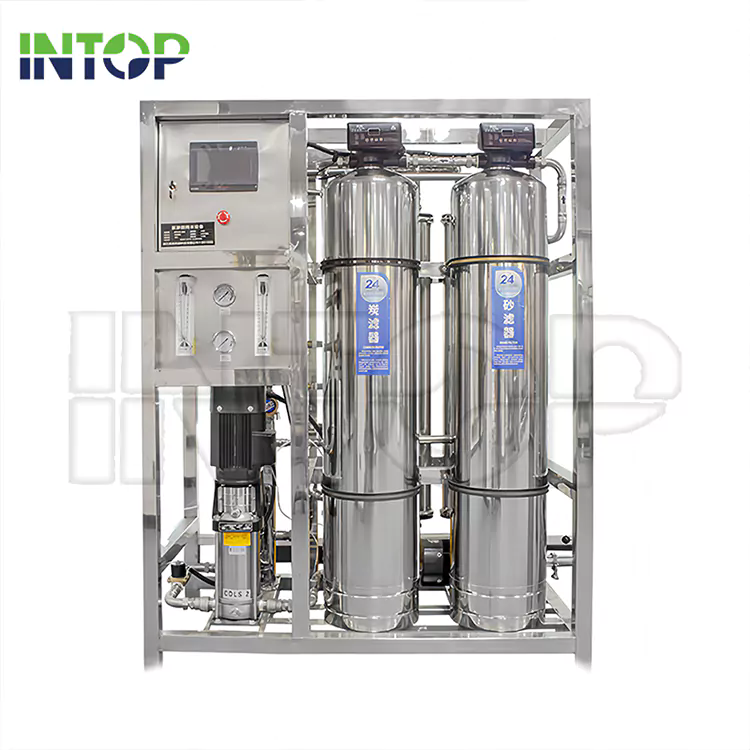
Reverse Osmosis (RO) Equipment is designed to remove dissolved solids, bacteria, viruses, and other impurities from water by forcing it through a semi-permeable membrane. RO systems are widely used in industrial, commercial, and residential applications to ensure safe and clean water supply. The central focus of this guide is to provide a detailed understanding of RO equipment specifications, operational considerations, and the practical benefits of adopting high-quality systems.
Product Specifications
Parameter
Description
System Type
Industrial / Commercial / Residential RO
Membrane Type
Thin Film Composite (TFC) / Polyamide
Capacity
100 – 50,000 liters/day depending on model
Operating Pressure
1 – 15 bar
Recovery Rate
40% – 75%
Power Supply
220V/50Hz or custom for industrial systems
Pre-Filtration
Multi-stage sediment and carbon filters
Certifications
ISO9001, CE, NSF
2. Types and Applications
Reverse Osmosis Equipment can be categorized based on application, capacity, and design. Selecting the correct type is essential to meet water quality requirements and operational efficiency.
2.1 Residential RO Systems
Designed for household use, residential RO units typically purify 100-500 liters per day. They are compact, easy to install, and provide high-quality drinking water.
2.2 Commercial RO Systems
Commercial RO systems serve restaurants, offices, and small-scale industries. With capacities ranging from 1,000 to 10,000 liters per day, these systems often include multiple stages of pre-treatment and automatic monitoring controls.
2.3 Industrial RO Systems
Industrial RO equipment is engineered for large-scale water purification in factories, hospitals, and municipal plants. These systems can handle 10,000 to 50,000 liters per day or more and integrate high-capacity membranes, automatic backwashing, and advanced monitoring.
3. Maintenance and Common FAQs
Proper maintenance ensures the longevity and efficiency of Reverse Osmosis Equipment. Below are common questions and detailed answers:
Frequently Asked Questions
Q1: How often should RO membranes be replaced?
A1: RO membranes generally require replacement every 2-3 years, depending on water quality, system usage, and maintenance practices. Regular monitoring of permeate quality and pressure differential helps determine the optimal replacement schedule.
Q2: What pre-treatment is necessary for RO systems?
A2: Effective pre-treatment typically includes sediment filtration, activated carbon filtration, and water softening. This prevents membrane fouling, scaling, and extends system life. Some industrial systems may require chemical dosing to control pH and inhibit bacterial growth.
Q3: Can RO systems remove all contaminants?
A3: RO systems are highly effective at removing dissolved salts, bacteria, viruses, and heavy metals. However, they may not remove certain dissolved gases or volatile organic compounds unless additional post-treatment, such as activated carbon or UV sterilization, is employed.
Maintenance Tips
Regularly replace pre-filters every 6-12 months depending on water quality.
Flush membranes periodically to prevent scaling.
Monitor system pressure and flow rates to detect early signs of fouling or leaks.
Sanitize the system annually to prevent bacterial contamination.
4. Future Trends and Contact
The future of Reverse Osmosis Equipment is focused on energy efficiency, higher recovery rates, and integration with smart monitoring systems. Advanced membranes with anti-fouling properties and IoT-enabled controls are emerging trends that enhance performance and reduce operational costs.
Intop offers high-quality Reverse Osmosis Equipment tailored to residential, commercial, and industrial applications. The systems are engineered to meet international standards, ensuring safe, clean, and reliable water purification solutions.
For inquiries or to explore customized RO solutions, please contact us today to discuss your specific water treatment needs.