

Can a Substation Hardware Clamp Be Used for Aluminum and Copper Conductors
2026-10-28
When specifying conductor connections in high-voltage installations, engineers often ask whether one Substation Hardware Clamp can safely serve both aluminum and copper conductors. At Huixing, we manufacture clamps engineered for the electrochemical and mechanical realities of each conductor material, and the short answer is yes—provided the clamp is correctly selected, bimetallic protection is applied where needed, and installation follows recognized standards. This article explains the engineering behind that answer.
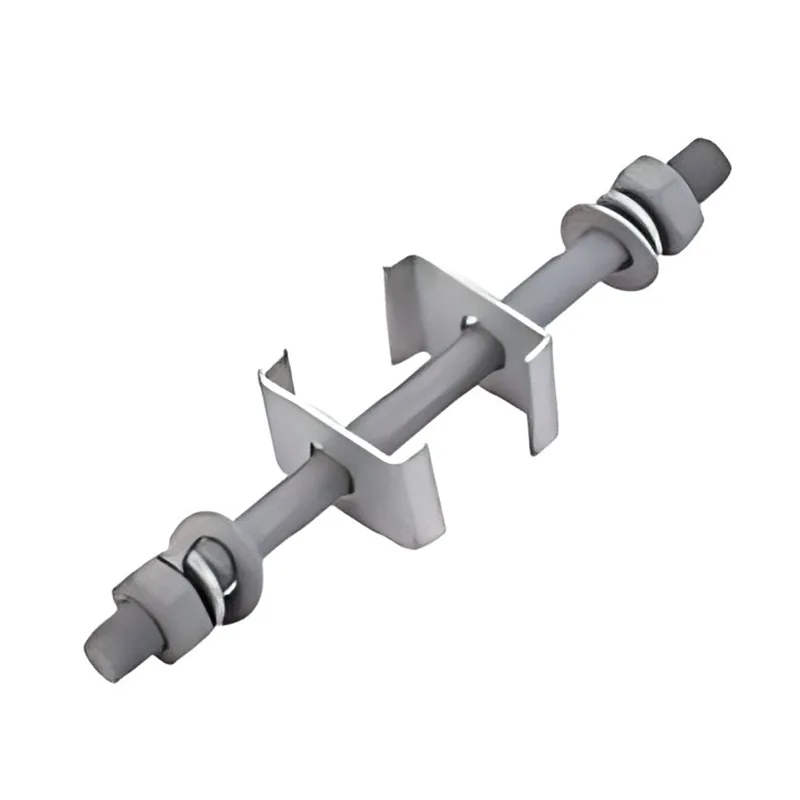
Why Conductor Material Matters
Aluminum and copper behave very differently at the connection point. Copper is an excellent conductor but cathodic; aluminum is anodic and prone to galvanic corrosion when directly coupled to copper in the presence of moisture. A Substation Hardware Clamp must therefore either be made from a compatible alloy or incorporate a bimetallic transition plate to prevent electrolytic degradation.
Key Selection Criteria for a Substation Hardware Clamp
| Criterion | Aluminum Conductor | Copper Conductor |
|---|---|---|
| Clamp body material | Aluminum alloy (e.g., 6061-T6) | Copper alloy or tinned aluminum |
| Galvanic protection | Bimetallic plate required when mating to copper | Bimetallic plate required when mating to aluminum |
| Contact surface treatment | Tin plating recommended | Tin or silver plating |
| Bolt torque | Per manufacturer spec, typically 40–60 N·m | Per manufacturer spec, typically 40–60 N·m |
| Operating temperature | Up to 90°C continuous | Up to 90°C continuous |
Design and Installation Best Practices
-
Use bimetallic transition plates whenever aluminum and copper conductors meet at a Substation Hardware Clamp.
-
Apply antioxidant compound to aluminum contact surfaces before tightening.
-
Torque all hardware to the specified value using a calibrated torque wrench.
-
Verify contact resistance after installation with a micro-ohmmeter.
-
Re-torque connections after the first thermal cycle to compensate for settling.
Testing and Compliance
Huixing clamps are type-tested to IEC 61284 and ANSI/NEMA CC1 requirements, including heat cycle, short-circuit, and corrosion resistance tests. Each production batch is traceable, supporting utility asset management and regulatory audits.
Frequently Asked Questions
Q: Can a single Substation Hardware Clamp connect aluminum and copper conductors directly?
A: Yes, but only if the clamp is fitted with a bimetallic transition plate or the clamp body is designed with a copper-aluminum composite contact surface; direct aluminum-to-copper contact without protection will accelerate galvanic corrosion and increase resistance over time.
Q: What torque should be applied to a Substation Hardware Clamp on aluminum versus copper conductors?
A: Torque values are determined by clamp design and bolt grade rather than conductor material alone, so always follow the manufacturer's datasheet—typically 40–60 N·m for M12 hardware—and verify with a calibrated wrench, since under-torque causes overheating and over-torque can damage conductor strands.
Q: How often should a Substation Hardware Clamp be inspected after installation?
A: Inspect during routine substation maintenance, at least annually in corrosive or coastal environments, checking for corrosion, loose hardware, and thermal anomalies via infrared scanning, and re-torque or replace clamps showing resistance increases above 20% of baseline.
Conclusion
Selecting the right Substation Hardware Clamp for aluminum and copper conductors is a matter of material compatibility, bimetallic protection, and disciplined installation. Huixing supplies tested, traceable clamp solutions for both conductor types and supports specification reviews for utility and industrial projects. Contact us today to discuss your conductor clamp requirements and request a technical datasheet or sample evaluation.