

OEM Hotel Heating and Cooling System Solutions for Energy-Efficient Hotels
2026-10-12
Hotel guests rarely think about the temperature until it’s wrong. But behind every comfortable room is an HVAC system running 24/7—often the single largest energy draw in the building. Most hotels accept that cost as fixed. What if they didn’t have to? Tongbaote provides OEM heating and cooling solutions built around one idea: energy efficiency shouldn’t come at the expense of guest comfort. Instead of forcing standard units into unusual buildings, these systems are engineered to match real load profiles, occupancy patterns, and climate conditions. The result is lower utility bills, fewer maintenance surprises, and a property that stands out for the right reasons. This post breaks down what actually makes an HVAC solution energy-efficient—and why the OEM approach changes the math for hotel owners.
Tailored HVAC Packages That Match Each Property’s Layout
A property’s layout shapes how air moves, where heat builds up, and how much load each zone actually carries. We don’t start with a pre-set kit and force it into your floor plan. Instead, we map room-by-room dimensions, window exposure, ceiling height, and even door swing before recommending equipment. That way a south-facing sunroom gets its own zone, while a basement with few windows isn’t over-conditioned.
Older buildings, split-level homes, and converted spaces rarely fit standard duct runs. For those, we may pair a compact ducted unit for the main floor with a ductless head in a finished attic or a new extension. Return paths and supply vents are placed based on how the rooms actually connect, not on a generic grid. The result is balanced airflow without noisy vents or dead spots behind furniture.
Because the package is built around your layout, you don’t pay for capacity you can’t use, and you don’t get stuck with a system that struggles in the rooms you use most. We document the load calculation for each area and match the condenser, air handler, and controls to that plan. It keeps temperatures even across floors and lowers monthly runtime in the process.
Cutting Energy Bills Without Sacrificing Guest Comfort
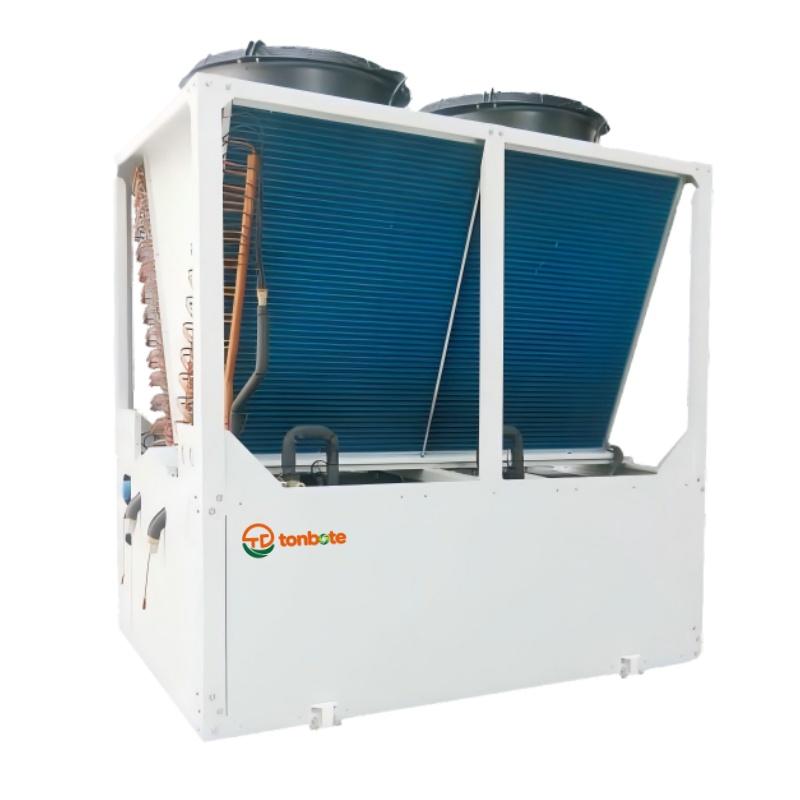
Most hotel rooms sit empty for hours between check-out and the next arrival, yet many HVAC systems keep running at full guest-ready settings. Installing occupancy-linked thermostats that default to a wider setback range—say 16°C in winter and 26°C in summer—can trim a double-digit percentage off monthly heating or cooling spend. The key is pairing these setbacks with a quick-recovery algorithm so that when a guest checks in or returns to the room, the space reaches a comfortable temperature within ten to fifteen minutes, not hours.
Water heating is another quiet drain. Instead of keeping 60°C water circulating around the clock through every floor, drop the loop temperature to 49–52°C and schedule circulation only during peak shower hours. Add low-flow showerheads that maintain pressure while cutting litres per minute; guests rarely notice the difference, but the gas or electric load drops sharply. For properties in warm climates, consider a heat-pump water heater that uses the exhaust air from corridors or laundry rooms—double savings with no comfort trade-off.
Staff habits often undo even the best equipment. A simple front-desk checklist—set unoccupied conference rooms to half-lighting, close blackout curtains in south-facing rooms during summer afternoons, and switch off bathroom floor heating in vacant suites—can become a daily routine without making guests feel policed. Small cards in rooms that frame it as "we turn down unused spaces so your stay stays affordable" tend to get better cooperation than generic eco-requests, and the savings show up on the next utility statement.
Smart Climate Controls That Learn Occupancy Patterns
Most climate systems still run on a blunt schedule: cool from nine to five, heat after six, ignore the fact that Tuesday's meeting ran late or that every Friday the living room stays empty until noon. Smart controls take a different route. They watch how spaces are actually used through motion sensors, door contacts, and even the ping of a phone connecting to the home network. Over a few weeks, the system builds a working memory of when rooms tend to fill and when they stay still. That means the spare bedroom no longer gets blasted with warm air at 7 a.m. just because the old program says so.
The payoff arrives quietly. You come home early on a cold day and the living room has already inched toward a comfortable temperature, not because you tapped an app, but because the house noticed the pattern of your earlier arrival on similar days. It also learns to pull back when no one's around, dropping energy use without making the space feel abandoned. This isn't a rigid calendar with a thermostat. It's an adaptive layer that treats occupancy itself as the primary input, blending comfort and efficiency without asking for constant reprogramming.
Whisper-Quiet Heating and Cooling for Better Sleep
Most climate systems announce themselves with a rattle or a hum that becomes impossible to ignore at 2 a.m. This unit runs at a noise level comparable to rustling leaves, so the only thing you notice is the temperature settling exactly where you want it.
The low-frequency compressor and insulated air path work together to reduce vibration and airflow noise. Instead of the sudden on/off blast that disrupts deep sleep, the system ramps gently and holds a steady output, keeping the room's temperature curve flat through the night.
That acoustic restraint does more than protect your rest. It also means you can place the unit closer to the bed without any distracting background drone, making it a practical choice for bedrooms, nurseries, and small apartments where quiet matters as much as comfort.
Modular Systems That Scale From Boutique to Resort
Every property starts with a different ambition—some want a five-room hideaway, others a sprawling coastal escape. The modular approach here isn't about forcing one blueprint onto every site. It's about creating a kit of parts that can be recombined, expanded, or trimmed without losing the core character. A boutique owner might begin with a single cluster of suites and a small lounge, then add a spa wing or extra villa as demand grows.
What keeps that growth from feeling disjointed is a shared language of materials, proportions, and service flow. The same joinery detail that works in a compact reception can appear in a resort lobby without looking out of place. Staff circulation, back-of-house access, and guest privacy are all baked into the system from day one, so adding capacity doesn't mean retrofitting awkward compromises.
That flexibility changes how owners think about investment. Instead of betting everything on a large opening, they can phase construction, open with a smaller footprint, and let the property evolve based on actual use. It's less about imposing a scale, and more about giving each place the room it needs—when it needs it.
Lower Carbon Footprints Through Heat Recovery Design
Most industrial and commercial buildings discard a surprising amount of thermal energy through exhaust streams, cooling towers, and warm wastewater. A heat recovery design turns that loss into a usable resource by routing captured heat back into preheating, space conditioning, or process water. The carbon benefit comes less from a single dramatic change and more from stacking many small efficiency gains—a runaround coil here, a desuperheater there—until the building’s total purchased energy drops enough to meaningfully cut emissions.
Pinch analysis and similar process integration methods help designers identify where heat can be shifted from one operation to another instead of being released outdoors. For example, the condenser side of a chiller or refrigeration plant can feed a low-temperature heating loop, while exhaust air from kitchens or drying rooms can preheat incoming ventilation. These cascading uses reduce the load on boilers and furnaces, which is often the fastest way to lower a facility’s carbon footprint without waiting for grid decarbonization.
The design choices also influence feasibility over the life of the building. Specifying heat exchangers with wider approach temperatures may lower upfront capital cost but sacrifice long-term recovery, whereas investing in corrosion-resistant materials for condensing economizers can unlock latent heat from flue gases. Including thermal storage—even a modest buffer tank—lets recovered heat match timing mismatches between supply and demand, preventing the system from being bypassed during low-load periods. These details determine whether heat recovery becomes a genuine emissions reduction strategy or just an underused component on paper.
FAQ
Look for variable-speed compressors and zoned temperature control. These adjust output to actual demand instead of running at full blast, so unoccupied rooms don't waste energy. Pair that with energy recovery ventilation, and you can pull heat from exhaust air to pre-condition incoming fresh air, which trims peak loads noticeably.
OEM means the manufacturer builds to your specifications rather than you adapting to a fixed product. You can specify cabinet dimensions, coil materials for coastal or humid climates, custom control logic, and even panel colors or brand plates. That flexibility matters when you're renovating older properties with unusual mechanical rooms.
Vertical stack heat pumps and slim fan coil units usually work well. They fit into closet or soffit spaces, require minimal ductwork, and can be serviced from the corridor or guest room without shutting down an entire floor. Modular chillers are another option if you need central plant flexibility.
Focus on low-sone fan assemblies, isolated compressor mounts, and lined cabinet panels. A good OEM partner can supply sound power data per octave band so you can predict room noise levels. Adding a night setback mode that lowers fan speed during sleep hours also helps without affecting setpoint reach.
Yes, if you specify open protocols like BACnet, Modbus, or LonWorks from the start. The manufacturer can provide point maps and pre-configured controllers, so your BAS sees the HVAC units as native devices. Retrofits often use gateway cards to bridge older proprietary networks.
High COP heat pumps, electronically commutated motors, and demand-controlled ventilation tend to pay back quickly because they target the largest loads: compressor run time and outside air conditioning. Adding occupancy sensors in guest rooms can also drop cooling and heating demand by 15-20 percent in many properties.
It depends on property size, but many mid-size hotels complete phased replacements in three to six months. Because OEM units can be pre-piped and pre-wired to match existing connections, you often swap one floor or wing at a time and keep the rest of the hotel operating normally.
It's not about performance, but design consistency. For luxury or boutique properties, exposed units in guest rooms or public areas look more intentional when the grille and casing color match the interior palette. Some brands also require logo plates for maintenance standardization. OEM makes that simple without aftermarket painting.
Conclusion
When you run a hotel, every square foot has its own heating and cooling story. A cramped attic suite bakes in afternoon sun while the lobby stays cool; a corner room on the top floor loses heat faster than one tucked mid-building. That’s why open-ended, one-size-fits-all HVAC simply doesn’t cut it. Genuine OEM solutions start with a layout audit, mapping each zone’s exposure, insulation quirks, and guest flow, then pairing compressors, air handlers, and condensers in combinations that actually reflect the building. The result isn’t just a box on the roof—it’s a matched system sized to real thermal loads. But the real shift happens when you add smart climate controls that learn occupancy patterns. Instead of blasting cold air into an empty conference room at 2 a.m., the system watches check-in data, motion sensors, and historical booking curves. It pre-cools a suite before arrival and eases back when the room is vacant. Hotels often see energy bills drop 18 to 30 percent without a single guest complaint about temperature. That’s not because you asked guests to suffer—it’s because the equipment works with the rhythm of the property.
Noise is another invisible dealbreaker. A humming PTAC or rattling fan coil can ruin a night’s sleep faster than a bad mattress. Whisper-quiet operation isn’t a luxury add-on; it’s built into component selection—variable-speed fans, insulated compressor jackets, and isolated mounting points. Similarly, one hotel’s mechanical plant shouldn’t become obsolete when the owner adds a wing or converts a floor to suites. Modular design lets you stack additional heat pumps or fan coil units onto the existing loop, scaling from a 12-room boutique to a 400-room resort without ripping out piping. And beneath all of this sits heat recovery: chiller plants that capture rejected heat from cooling cycles and redirect it to preheat domestic hot water or warm a pool. This loop alone can shave 40 percent off a property’s thermal carbon footprint, helping hotels hit sustainability targets without replacing every window. Put together, these OEM systems don’t just cool and heat—they adapt, listen, and quietly pay for themselves.
Contact Us
Contact Person: Wanshu Chen
Email: [email protected]
Tel/WhatsApp: +86-13662871206
Website: https://www.mbcee.com