
New Type Portable Ozone Machine Transforms Everyday Sanitization
2026-09-15
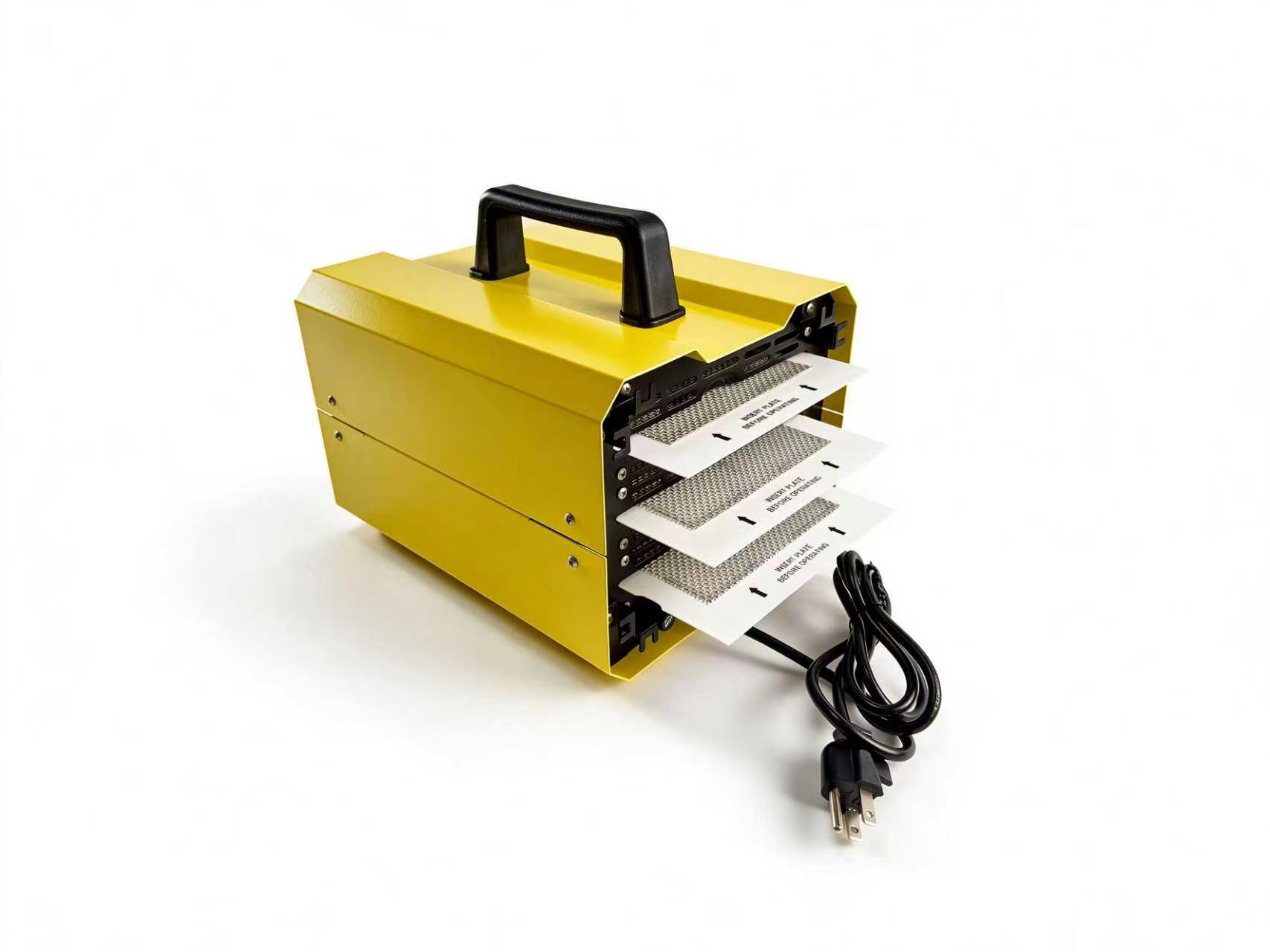
Sanitizing everyday items often means reaching for chemical sprays or wipes that leave residue and waste. The new portable ozone machine from LUFUTATECH flips that routine on its head—using activated oxygen to deep-clean surfaces without a single drop of harsh liquid. Unlike bulky generators or one-trick gadgets, this palm-sized device slips into a bag and tackles odors, bacteria, and germs wherever they hide. Below, we’ll unpack how it works, what makes it different, and why it’s turning heads among travelers, parents, and anyone tired of chemical-heavy cleaning.
Why Ozone Is Making a Quiet Comeback
After decades of being pushed to the margins by cheaper, more familiar chemicals, ozone is finding its way back into commercial kitchens, hospitals, and municipal water plants. The shift isn't loud or headline-grabbing; it shows up in maintenance logs and equipment orders, where managers trade bleach and quaternary ammonium for a gas that leaves no chemical residue behind. What was once treated as a risky niche option now feels like a practical response to stricter hygiene expectations and mounting concern over byproducts.
Much of the renewed interest comes down to quieter, safer hardware. Older ozone systems often meant bulky corona discharge units and unpredictable output, but newer generators can produce the gas on demand at controlled levels, eliminating the need to store hazardous cylinders. Operators appreciate that they can dial concentration up or down for a specific rinse cycle or room purge, and the gas reverts to ordinary oxygen within minutes, so there is nothing left to wipe down or neutralize.
The quiet part of this comeback is also economic. Food processors and cooling tower operators have found that ozone often reduces water and energy use because it cuts out final rinses and allows longer intervals between system cleanings. When a disinfectant doesn't leave a film or corrode equipment the way chlorine can, maintenance schedules stretch, and that changes budgets without much fanfare. In some facilities, the switch happened not because anyone campaigned for ozone but because the old approach kept costing more in downtime and chemical handling.
The Portability Factor Nobody Expected
When people talk about portability, they usually mean thinner laptops, foldable keyboards, or battery packs that don't weigh you down. But the real surprise wasn't any of that. It was the quiet way a tool could move your entire working context—not just your files, but your preferences, your half-finished thoughts, your exact place in a workflow—from one screen to another without a single manual step.
I first noticed it when I left a document open on a desktop at noon, opened a phone on a train an hour later, and found the cursor still blinking exactly where I'd stopped. No saving, no syncing icon, no "open recent" menu. That kind of portability doesn't just save time; it removes the mental cost of reorienting yourself every time you switch devices. You stop thinking about where your work "lives" and start treating it as something that simply follows you.
The long-term effect is stranger than it sounds. Once the friction of moving between devices disappears, your tools start to feel less like objects and more like a continuous environment. You're not carrying a laptop or a tablet; you're carrying a single, uninterrupted train of thought. And that's the portability factor nobody saw coming—not a smaller gadget, but a bigger sense of continuity.
From Kitchen Counters to Gym Bags
A stainless steel shaker bottle slides from the kitchen counter into a gym bag without a second thought. The same container that held a morning protein shake now carries cold water through an afternoon workout. Its wide mouth makes scooping powder easy, and the leak-proof lid keeps everything else dry.
Over time, scratches and dents become part of the bottle's story. The rubber base grips the counter while mixing, then softens the clank against dumbbells. It gets washed at night, dried on a rack, and packed again before sunrise. No special treatment, no separate gear—just one reliable piece that moves between meals and reps.
What Happens When You Stop Wiping Everything Down
The first thing you notice is the time. All those minutes spent circling the kitchen counters, the bathroom sink, the door handles—they suddenly open up. Mornings feel less like a race against invisible germs and more like a slow stretch before the day. The bottle of disinfectant sits untouched under the cabinet, and you stop calculating how many hours since the last wipe. There is a strange lightness in the air, as if the house itself has exhaled.
Then comes the shift in your body. The constant low-grade worry that used to tighten your shoulders starts to ease. You catch yourself resting a hand on the banister without reaching for a paper towel afterward. Family members stop giving you that look—the one that said, “Here we go again.” Meals get served without the ritual of pre-cleaning the table twice. It is not neglect; it is a different kind of attention, one that trusts the ordinary rhythm of living.
Over time, the dust gathers in corners and the smudges multiply on the refrigerator handle. And yet, nothing catastrophic happens. Colds still come and go, but no more or less than before. You begin to notice that the dog’s nose leaves prints on the window, and instead of wiping them away, you almost smile. The house feels lived-in, not abandoned. There is a freedom in letting go of the bottle, a quiet acceptance that the world is not a laboratory—and that is perfectly all right.
The Truth About Ozone and Safety
Most people hear "ozone" and picture the protective layer high above us, but the story is more complicated at ground level. The same molecule that shields us from ultraviolet radiation becomes a harsh respiratory irritant when it forms near the surface. It is not a simple good-or-bad label; altitude and chemical context change everything about how ozone behaves.
At breathing height, ozone is created when sunlight cooks emissions from cars, power plants, and industrial solvents. On hot, still days, concentrations can climb high enough to trigger coughing, chest tightness, and shortness of breath, even in healthy adults. People with asthma or COPD often feel the effects sooner and more intensely. Repeated exposure does not just cause temporary discomfort; it can gradually reduce lung function and make airways more sensitive to other irritants.
Practical safety comes down to timing and awareness. Checking local air quality reports before outdoor exercise on warm afternoons is more useful than worrying about ozone in general. Indoors, be wary of devices marketed as air purifiers that intentionally release ozone to freshen air; many produce levels that exceed health standards, especially in small rooms. The safest approach is to treat ground-level ozone like any other pollutant: minimize exposure when it is high, not assume it is harmless because the upper atmosphere needs it.
A New Ritual for Everyday Clean
The old way of cleaning was a chore you rushed through—a quick wipe, a splash of something harsh, and a sigh of relief when it was over. But this new ritual asks for a different pace. It begins with a quiet moment: you fill the basin, add a few drops of a gentle, plant-based concentrate, and watch the water turn softly opaque. There is no countdown, no urgency. Just the simple act of preparing a space that will soon feel lighter.
As you move the cloth across the counter, the kitchen table, the bathroom shelf, the motion becomes almost meditative. The scent is not a chemical blast but a faint, green note—like crushed leaves after rain. You notice the grain of the wood, the cool edge of the tile. The ritual is not about erasing every speck of dust; it is about tending to the surfaces you touch every day, giving them the same quiet attention you might give a plant you are watering or a book you are shelving.
By the time you rinse the cloth and hang it to dry, something has shifted. The room does not smell like “clean” in the loud, synthetic way. It smells like nothing at all, or maybe like open windows. And you realize the ritual was never really about the house. It was about the moment you carved out for yourself—the slow, satisfying rhythm of care that leaves both the room and the mind a little clearer than before.
FAQ
Many air purifiers rely on filters to trap particles, but this device actively releases ozone molecules that can penetrate fabrics and tight gaps to break down bacteria and odor sources. While a filter only treats air passing through it, this machine reaches surfaces and hidden spots directly.
It's best not to. Ozone can irritate the lungs, so you should run the machine in an empty room with pets and people out, then air the space for about 30 minutes before going back in.
Gym bags, shoes, car interiors, refrigerators, closets, and kitchen sponges are all good candidates. Ozone gets into places you can't easily wipe down, like the inside lining of a shoe or the gaps in car seats.
No, ozone breaks down into regular oxygen after it reacts. You might notice a faint scent similar to after a thunderstorm or a mild chlorine-like smell right after treatment, but it disappears once you ventilate the area. There's no chemical film left on surfaces.
It depends on how often items are used. For enclosed spaces like a shoe cabinet or car, a 10 to 15 minute session once a week is usually enough. For a deeper refresh, a monthly run in areas like the fridge or trash bin works well.
Very little. Every few months, wipe the ozone plate or electrode with a dry cloth and keep the air intake free of dust. You won't need to replace filters, though some models may have a replaceable ozone chip after long-term use.
Yes, most portable units draw under 30 watts, so a 15 minute cycle uses barely any electricity. That's much less than running a standard air purifier or UV lamp continuously.
It can, but stubborn cases may need more than one treatment. Ozone oxidizes many odor molecules, including pet smells and mildew. However, if the source is still present, like a urine stain or ongoing dampness, clean that first because ozone only treats the air and exposed surfaces.
Conclusion
Ozone is quietly slipping back into daily life, and this new portable machine makes it feel less like a lab experiment and more like a pocket-sized habit. The real surprise isn't just the technology—it's how naturally it fits into routines nobody expected. Toss it in a gym bag, set it on a kitchen counter, or let it run inside a musty drawer; the machine does its work without supervision. Instead of endless wiping and spraying, you flip a switch and walk away. That shift from scrubbing to simply letting air and ozone do the heavy lifting changes how people think about clean.
Stop wiping everything down for a week and you'll notice the difference: fewer chemical smells, less time spent chasing invisible germs. But the question everyone asks is safety, and the honest answer is that modern ozone devices are built with low, controlled output for occupied spaces when used correctly. It's not about replacing soap—it's about adding a final, quiet layer of freshness. Over time, a small ritual forms: charge the device, set it near shoes or a laptop bag, and let it hum for a few minutes. That tiny routine turns sanitization from a chore into something closer to a reset button for the spaces you touch most.
Contact Us
Contact Person: Paul Luo
Email: [email protected]
Tel/WhatsApp: 0086-19966314501
Website: https://www.lufutatech.com