

CNC Parts Supplier Selection Criteria for Reliable Manufacturing
2026-09-20
Choosing a CNC parts supplier isn’t just about price or lead time—it’s about finding a partner who can deliver repeatable precision without making you worry. Whether you're machining enclosures, brackets, or custom hardware, the wrong vendor can quietly erode your production schedule. At Peak Fasten, we've seen how clear supplier criteria separate smooth launches from costly rework. This guide breaks down the evaluation points that actually matter, from material traceability to surface finish consistency. Stick with us, and you'll know exactly what to ask before your next RFQ goes out.
Reading Past the Spec Sheet: What Actually Matters in CNC Sourcing
A spec sheet only tells you what a machine or shop claims it can do under controlled conditions. In real production, the bigger question is how a supplier behaves when things drift: whether the operator checks tool wear by part count or by actual surface finish, whether a first-article inspection means one part at the start or a documented check after every tool change, and how they quarantine suspect material before it reaches your dock. Those habits never show up in a tolerance column, but they decide whether your 8 a.m. approval and 4 p.m. rejection emails are occasional or weekly.
Look for pushback. A CNC source that simply quotes your drawing without asking about mating parts, assembly sequence, or post-machining anodize thickness is not quoting, they are gambling with your lead time. The best shops ask why a radius is critical, suggest a larger internal corner to reduce chatter, or warn that a 0.005-inch flatness callout will double setup time if they cannot probe every blank. That kind of conversation tells you more about process maturity than any spindle speed or rapid traverse number.
Finally, check how they handle the unglamorous side: raw material traceability, packaging method for long travel, and whether their lead-time promise includes time for first-article sign-off, not just machining. A lower unit price often hides skipped in-process inspection, a mixed batch of material, or a shop that runs your parts after rush jobs until midnight. Ask for a sample run with a filled-in process sheet, not a polished golden sample, and ask what happened on the last internal rejection. The answer will tell you whether the spec sheet is a floor or a ceiling.
When Tight Tolerances Aren't Enough: Probing Process Control
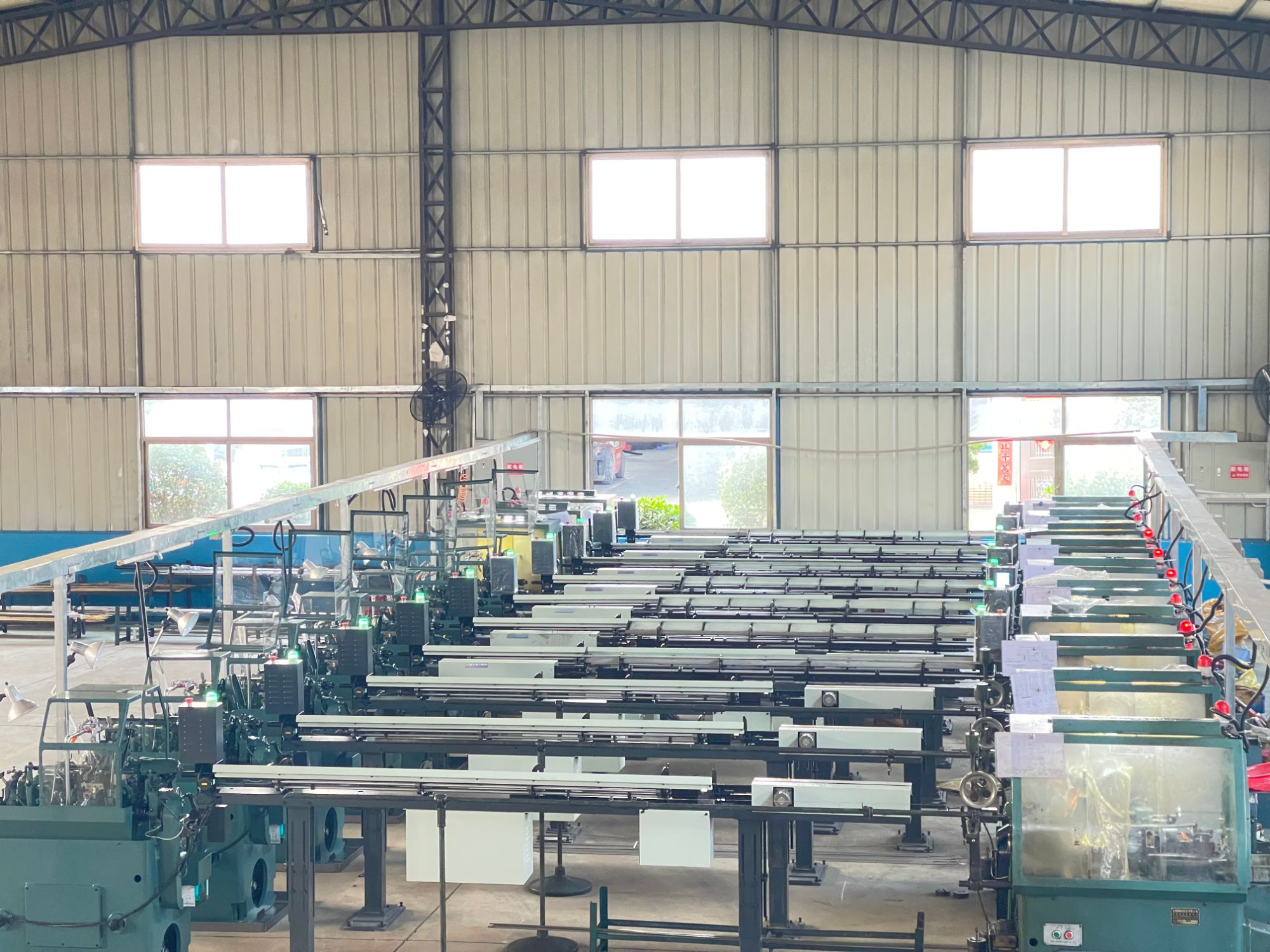
Tight tolerances on a drawing can lull a shop into thinking the part will simply fall out of the machine. In practice, hitting a dimension once is easy; hitting it ten thousand times while tooling wears, thermal drift shifts the spindle, and raw material hardness swings from lot to lot is another story entirely. Process control is what turns a single good part into a predictable stream of them, and it starts with measuring not just the workpiece but the process itself.
Most shops react to out-of-spec parts after they happen, sorting and reworking at the end of the line. A better approach is to track the small drifts before they become rejections—tool offset adjustments, spindle load trends, surface finish changes that hint at insert breakdown. Statistical process control sounds like a corporate buzzword, but on the floor it looks like an operator checking a chart every twenty minutes and making a tiny correction, rather than waiting for the CMM to scream an hour later.
The real shift happens when process control is treated as a design parameter, not an afterthought. Fixture stiffness, probe routines, coolant concentration, even the way chips are evacuated all feed into whether the process holds a tolerance over a full shift. Tight tolerances demand tight processes, and that means looking beyond the print to the entire chain of variables that decide whether part fifty matches part five.
The Material Traceability Question Most Buyers Skip
Most sourcing checklists cover certifications, lead times, and unit cost. But almost nobody asks how a supplier actually traces a batch of raw material back to its origin once it has been blended, cut, or anodized. That missing question matters more than the spec sheet.
Traceability is not the same as having a paper certificate. A mill can issue a cert for a heat number while still mixing offcuts from three different lots during processing. Buyers who skip the question discover this only when a recall or a quality dispute forces them to reconstruct the chain after the fact.
The simplest way to close the gap is to ask for a walk-through of one real order, not a sample trace. Have the supplier show how they label incoming material, how they record cuts or transfers, and how they link the final product back to the original lot. If that walk-through takes more than a few minutes or relies on memory, the traceability system is weak.
Capacity Claims vs. Shop Floor Reality
The capacity figure listed on a routing sheet might say 120 units per hour, but walk the floor at 2 p.m. and you'll see a different number. Machines idle during tool changes, operators wait on inspections, and a missing batch of raw material stalls the entire line. These aren't exceptions; they're the normal texture of manufacturing. The gap between claimed capacity and what actually ships comes from treating production as a clean mathematical model instead of a living system with friction.
Shop floor reality exposes the assumptions buried in those claims. A machine rated for 85% uptime may only hold that average across a month, not every shift. When planners base promises on best-case cycle times, they ignore the scrap, rework, and skill variations that eat into output. Over time, teams learn to quote longer lead times not because they're pessimistic, but because they've measured the difference between what the equipment could do in a demo and what it does with real orders, real defects, and real people.
The danger isn't the optimistic number itself—it's management's refusal to reconcile it with what the floor actually delivers. When capacity claims stay inflated, purchasing orders too much material, sales overpromises to customers, and production gets blamed for missing targets that were never achievable. Companies that close this gap don't just correct the spreadsheets; they walk the line, time the changeovers, and ask operators where the hours go. Only then does the claimed number start to resemble the work being done.
Lead Time Honesty: Red Flags in Promised Turnarounds
When a supplier quotes a turnaround that feels too good to be true, it usually is. Promising overnight production on complex or custom work often means corners will be cut, or the quote was never grounded in the actual production schedule. Honest lead times account for material availability, queue position, and finishing time, not just the fastest possible machine run.
Another red flag is a turnaround that shifts after the order is placed. If the initial promise quietly becomes two weeks longer once payment clears, that's a sign the sales team prioritized closing over planning. Solid suppliers can explain their schedule and will flag potential delays before you commit, not after.
Pay attention to suppliers who refuse to put lead times in writing or who always say no problem without checking capacity. A rushed promise often turns into a late delivery, and the cost of reworking a botched order far outweighs the value of a shorter wait.
Quality Beyond the First Article: Sustaining Consistency at Scale
Many manufacturers treat the first article inspection as the finish line, but that approach falls apart once production ramps up. The real challenge isn't proving a single unit meets spec; it's making sure the ten-thousandth unit is indistinguishable from the first. That requires moving beyond one-off checks and embedding quality into every repeatable step, from raw material variance to tool wear and operator drift.
At scale, consistency lives or dies in the process, not the product. Statistical process control, automated measurement feedback loops, and inline sensors catch deviations long before they reach a final audit. When teams monitor critical parameters in real time and adjust on the fly, they stop correcting defects after the fact and start preventing them altogether. This shift demands a culture where operators trust the data as much as their instincts—and where maintenance schedules are tied to actual usage rather than calendar guesses.
Sustaining quality also means resisting the urge to tweak a stable process without understanding the downstream impact. Documented change control and periodic capability studies keep improvement from becoming silent drift. In the end, consistency at scale isn't about heroic inspection efforts; it's about making the right thing the easy thing to do, every single cycle.
FAQ
Ask for recent first article inspection reports, CMM measurement data, and evidence of statistical process control. A reliable shop will share their non-conformance rates and corrective action records without hesitation. Certifications like ISO 9001 or AS9100 are a starting point, but they don't replace actual process data. Check if they perform in-process inspections and how they quarantine nonconforming parts.
Request current machine utilization, number of shifts, and the percentage of on-time deliveries over the past 12 months. A supplier quoting very short lead times while running at full capacity may be overpromising. Ask about their scheduling system and how they handle rush orders or sudden volume increases. If they can't provide historical delivery performance, treat that as a gap.
Traceability protects you when a material defect appears months after delivery. The supplier should provide mill certificates, heat lot numbers, and batch records that link each part back to its raw material. This is non-negotiable in aerospace, medical, and automotive work. Without it, a single bad batch can force an expensive recall with no way to isolate the affected parts.
A good CNC supplier will offer design for manufacturability feedback before you commit to tooling. They should point out unnecessary tight tolerances, features that are hard to machine, or opportunities to reduce cost without affecting function. Ask for examples of past DFM suggestions they made to other customers. If the supplier only says yes to every drawing, they may lack the expertise to catch production issues early.
Check trade references, credit reports, and how long they've been in business. Ask about recent equipment investments and whether they have a diversified customer base. A shop that depends on one or two large clients can disappear quickly if those clients leave. You might also ask for a bank reference or a summary of their financial health. Stability matters because switching suppliers mid-program is expensive and time-consuming.
Watch for quotes that are significantly below market without a clear explanation, slow or vague responses to technical questions, and reluctance to share quality data or customer references. Rusty, poorly maintained equipment and a high turnover of key staff are also warning signs. If a supplier has no formal quality system and no certifications, you need to ask why. These issues often surface later as missed deliveries or rejected parts.
Bring a checklist covering equipment condition and maintenance logs, calibration records for measuring instruments, employee training records, material storage and labeling, and the quarantine area for nonconforming parts. Review their quality manual and a sample of completed inspection reports. Observe how operators handle parts between operations. A clean, organized shop with clear workflow usually reflects attention to detail in the finished parts.
Conclusion
A spec sheet rarely reveals whether a CNC supplier can actually hold a tolerance when the spindle warms up or the tool wears. Shops that are serious about process control will walk you through their in-process inspection routine, the frequency of SPC charting, and how they handle drift before parts go out of tolerance. If they can't explain that clearly, the tight numbers on paper mean little. The same applies to material traceability. Many buyers accept a generic certificate of conformance and never ask whether the aluminum bar stock or stainless plate used on their parts can be traced back to the original mill heat number. A supplier that maintains lot-level traceability and can produce mill test reports on request is signaling that they understand what happens if a material substitution or a bad batch slips through.
Capacity claims also need a reality check. Plenty of shops will say they have machinery and manpower available, but the real question is what their current loading looks like and where your job would actually fit. Ask about bottlenecks, planned maintenance windows, and how they handle rush orders from existing customers. Lead time deserves the same skepticism. If a promise sounds too fast, it probably ignores setup, inspection, or trouble-shooting time. Better suppliers will give you a milestone schedule and update you before problems surface. Finally, don't settle for a perfect first article. Sustaining quality at scale requires evidence of ongoing capability, like Cpk data, in-process sampling plans, and documented corrective actions when something drifts. That is what separates a reliable manufacturing partner from a shop that can only make one good part.
Contact Us
Contact Person: Mason Lv
Email: [email protected]
Tel/WhatsApp: +86 13027998452
Website: https://www.peakfastentech.com